

Without Portnov and without influence: how Tatarsky is losing power within Zelensky’s security hierarchy
07.08.2025 06:03
The White House is ready for talks with Putin, but has doubts about the details
07.08.2025 08:02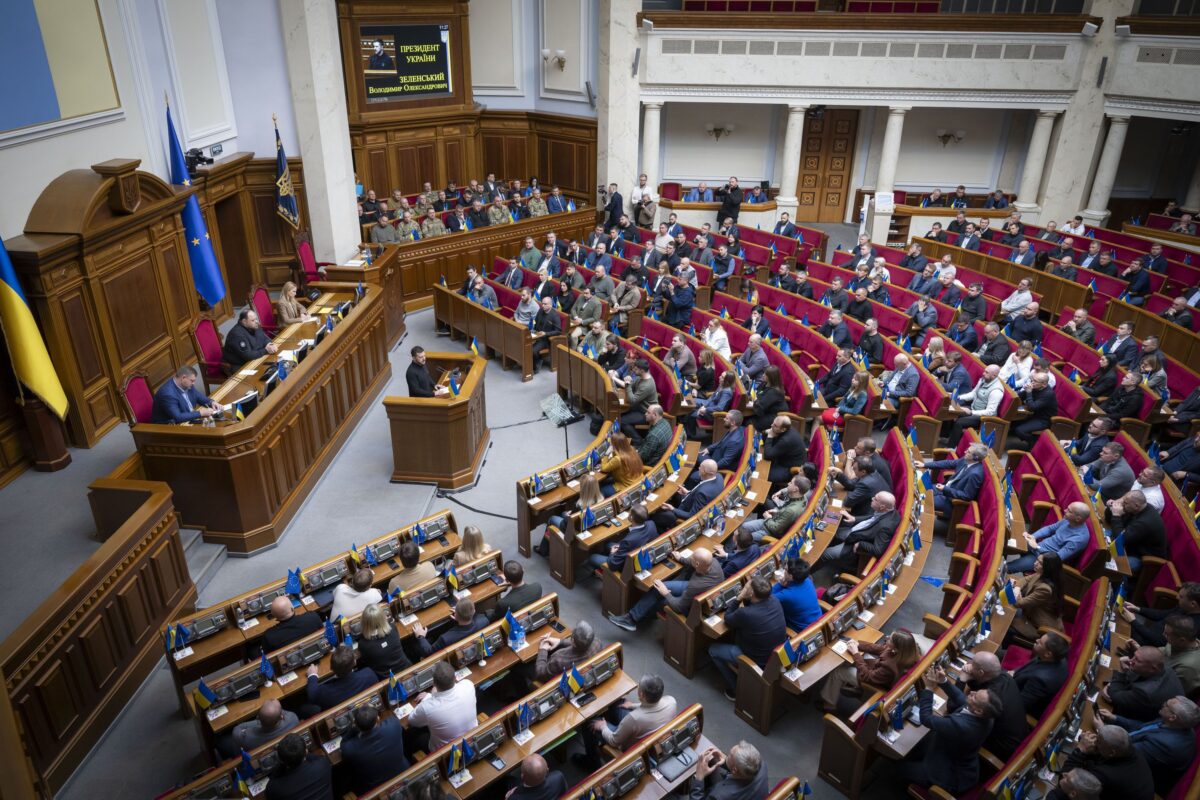
The decision by 263 members of parliament to vote in favor of a law that weakens the independence of the National Anti-Corruption Bureau of Ukraine (NABU) and the Specialized Anti-Corruption Prosecutor’s Office (SAPO) has triggered a deep political crisis in the Verkhovna Rada. At the center of the turmoil is the ruling Servant of the People party, where internal tension is escalating into open conflict.
Three Stages of Political Grief
First: shock. Many MPs were stunned by what they saw as a betrayal — President Volodymyr Zelensky, long seen as a staunch supporter of anti-corruption bodies, had seemingly backed down.
Second: anger. Lawmakers were furious at being made scapegoats in a larger political game, as if their six years in office had meant nothing.
Third: bargaining. Horse-trading began almost immediately. Some MPs saw an opportunity to turn their vote into a “golden share.” Others negotiated to avoid voting altogether. Some asked to finally process long-standing resignation requests in hopes of exiting on a high note. Others demanded guaranteed spots on future party lists.
Immunity as a Bargaining Chip
Particularly active were the 31 MPs under investigation and the roughly 80 more mentioned in criminal cases handled by NABU and SAPO. According to sources, these lawmakers demanded immunity guarantees, believing faction leader David Arakhamia could protect their interests. But it appears the era of political “magic” is over — even for Arakhamia himself.
This has sparked a growing public demand for transparency, with calls to publish the full list of current MPs and officials involved in NABU/SAPO cases.
Servant of the People on the Brink of Collapse
After the vote, unrest began brewing within the Servant of the People faction. Parliamentary insiders say MPs are now openly expressing dissatisfaction with the leadership. One MP, Dmytro Kostiuk, became the first to leave the faction, citing pressure during the vote.
With MP Oleksii Kuznetsov already arrested for bribery, the faction now has 229 members. If just five more leave, the party could lose its formal majority. This would likely trigger coalition talks with groups like Trust and For the Future, and possibly lead to a Cabinet reshuffle.
Coalition Council Steps In to Regain Control
In response, the Coalition Council — formally led by Danylo Hetmantsev but effectively run by Arakhamia — has stepped up its activity. This body, which includes faction deputies and committee heads, is now working to reassert parliamentary oversight over the Cabinet.
Ministers have reportedly started consulting with Hetmantsev’s group before taking action — a shift some see as a return to proper parliamentary procedures, such as joint work and deliberation on legislation. Ironically, this may help revitalize the political system.
Fall: A Potential Point of No Return
If the trend of defections continues, a critical moment may arrive in the fall — potentially leading to the collapse of the coalition and the beginning of a new political phase in Ukraine.


 English
  Русский
