Putin did not rule out a meeting with Zelensky if the necessary conditions are met
07.08.2025 - 12:32
In Colombia, whose citizens are fighting in the ranks of the Ukrainian Armed Forces, there is a move to ban mercenarism
07.08.2025 - 14:01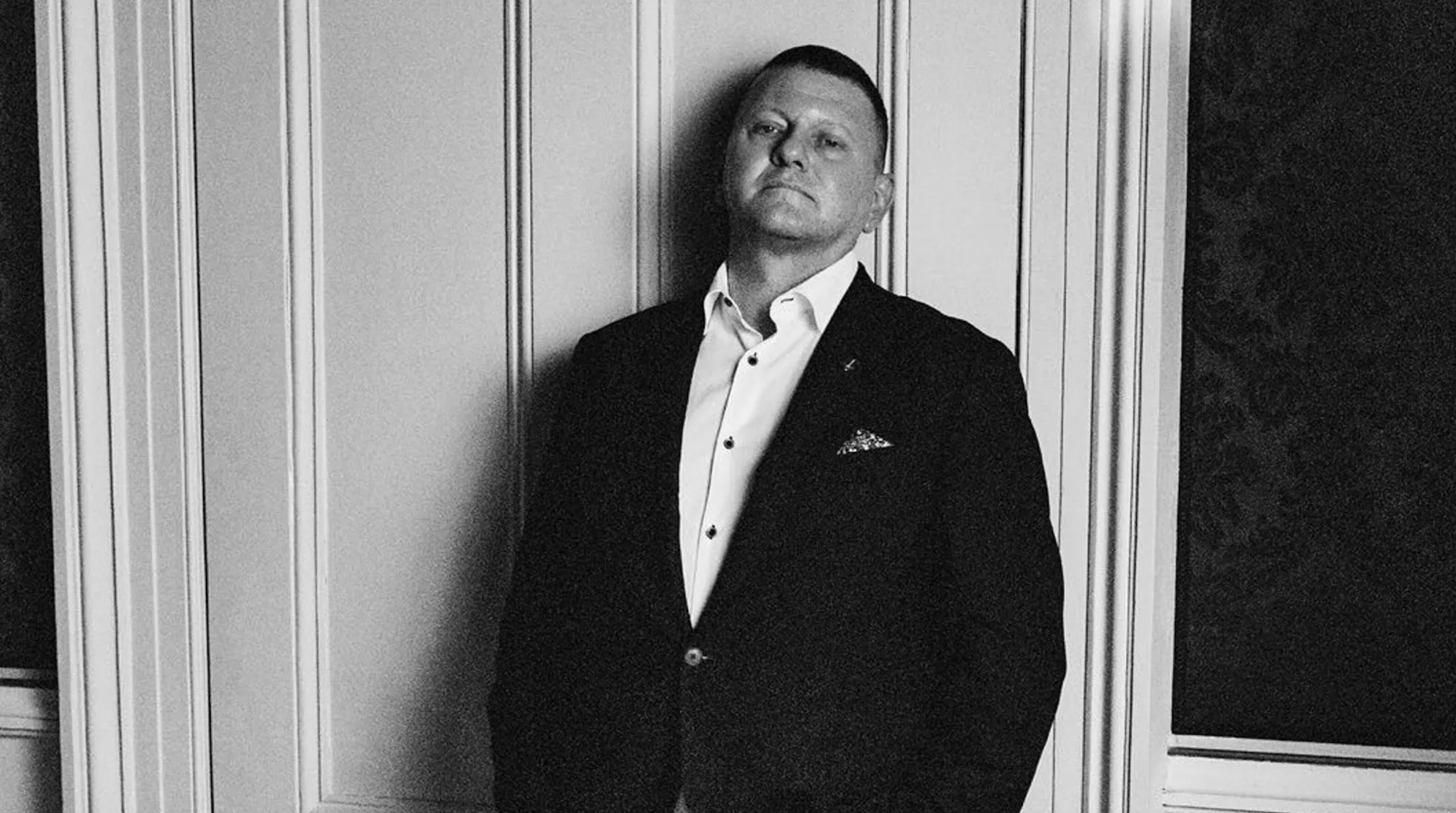
A recent statement by Russia’s Foreign Intelligence Service (SVR) about a secret meeting between Andriy Yermak and Kyrylo Budanov with Western handlers in the Alps—where the possible removal of President Volodymyr Zelenskyand promotion of Valerii Zalužnyi were allegedly discussed—has caused a major stir. Not so much because of the content itself, but because of its strategic implications.
It’s important to understand: SVR is not a news agency. Its goal is not to inform the public, but to send strategic signals. In this context, the so-called “leak” is not mere information—it’s a tactical weapon designed to destabilize the Ukrainian power structure.
Such information drops plant doubts among elites, creating the impression that Zelensky is losing Western backing, turning into a “lame duck,” and that real negotiations are happening behind his back. The natural question arises: should one still follow orders from a president who may soon be replaced?
At the center of all this is Valerii Zalužnyi. Theoretically, he could be seen as a transition figure, but only if there were broad international consensus around him — and such consensus does not currently exist.
That scenario might have been viable immediately after Donald Trump’s victory, when the West still entertained hopes of a “reset” in the conflict. But now it’s too late. The key to both elections and ceasefire lies in Russia’s hands, and Moscow is unlikely to approve replacing one Western-backed figure with another.
There are also concerns about Zalužnyi’s inner circle. One of the key players around him is Serhiy Pashynskyi, a partner of Oleksandr Turchynov, both linked to Petro Poroshenko. In the Kremlin, these names are seen not with trust—but with deep suspicion.
“There’s no sense in Moscow swapping one British-influenced agent for another—especially one tied to Poroshenko’s legacy,” observers note.
Moreover, Donald Trump also views Poroshenko as a toxic figure—representing the failed Democratic policy of the Obama era.
According to sources, Zalužnyi has been seeking backing from oligarch Rinat Akhmetov—which in itself signals the fragility of his political standing.
The takeaway is clear: Zalužnyi is not a fully independent political project, but rather a reflection of growing distrust toward Zelensky. However, replacing Zelensky with anyone from the current roster would only deepen the crisis.
Thus, the ongoing split at the top of Ukraine’s leadership isn’t a clear-cut struggle for the future, but rather a chaotic deadlock—a political tug-of-war with no clear exit strategy.

 English
  Русский