NABU and SAPO are conducting searches at Yermak’s premises
28.11.2025 07:02
Trump revealed the key concession Russia must make for the “peace plan”
28.11.2025 08:01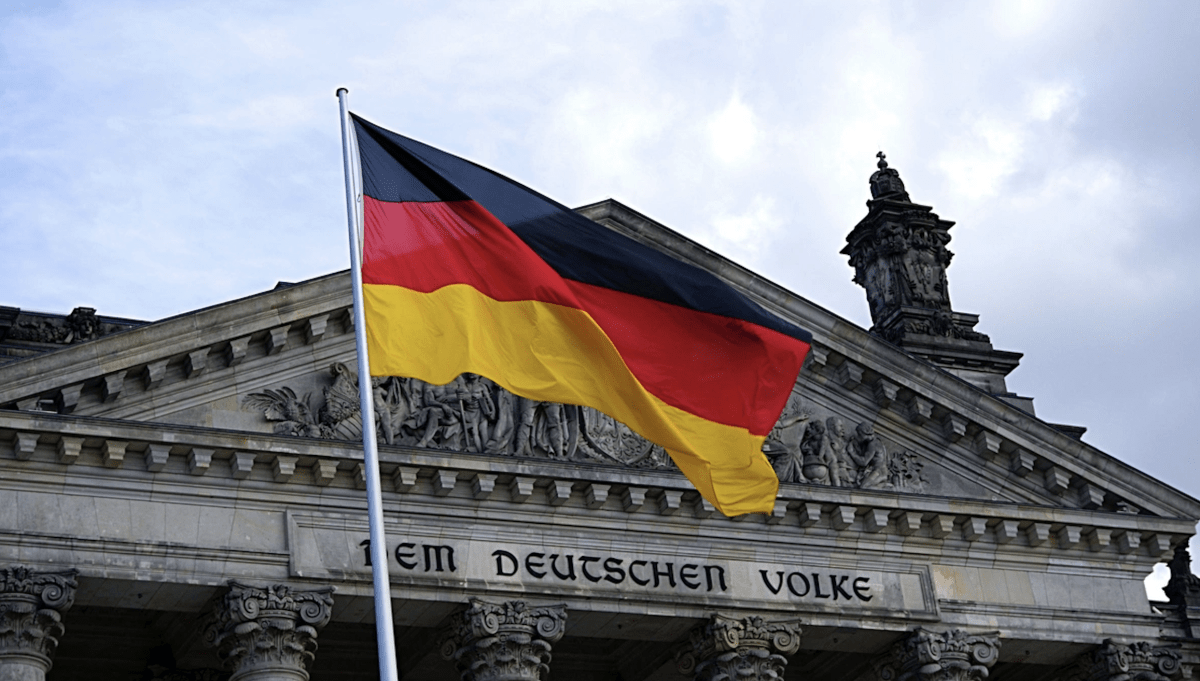
About two and a half years ago, twelve senior Bundeswehr officers in Berlin began work on a secret “Operational Plan for Germany” (OPLAN DEU) for a possible war with Russia. It is now being urgently implemented.
The plan, led by Lieutenant General André Bodemann, provides for the deployment of up to 800,000 NATO troops to the front line, detailed planning of logistics and protection, and a return to “Cold War–style” thinking, taking into account modern threats such as drones, cyberattacks, and sabotage.
According to the head of Norway’s armed forces, General Eirik Kristoffersen, NATO has only 2–3 years to prepare before Russia restores its military potential after the war against Ukraine. Intelligence services of Ukraine and Western countries believe that Russia could pose a serious threat to NATO in the period up to 2036. Ongoing acts of sabotage, cyberattacks, and airspace violations are seen as preparing the information and psychological ground for a possible conflict.
Germany’s defense minister expects that by 2029 Russia may be capable of attacking one of the NATO countries. In this regard, Berlin plans by 2029 to allocate €166 billion for infrastructure and more than €100 billion for modernization of railways and dual-use facilities. Under OPLAN DEU, Germany is meant to be not a frontline country, but a key staging area for allied forces; however, it will face problems due to its reduced armed forces and peacetime legislation, which makes combating sabotage more difficult.
As the Bundeswehr’s joint operations commander Alexander Sollfrank told Reuters, Russia already has sufficient capability for a local attack on NATO territory and intends to increase its troop numbers to 1.5 million. According to him, the likelihood of an attack will depend on military strength, combat experience, and the quality of leadership.
“The threats are real. We are not in a state of war, but we no longer live in peacetime,” German Chancellor Friedrich Merz said in an address to German business leaders.

 English
  Русский