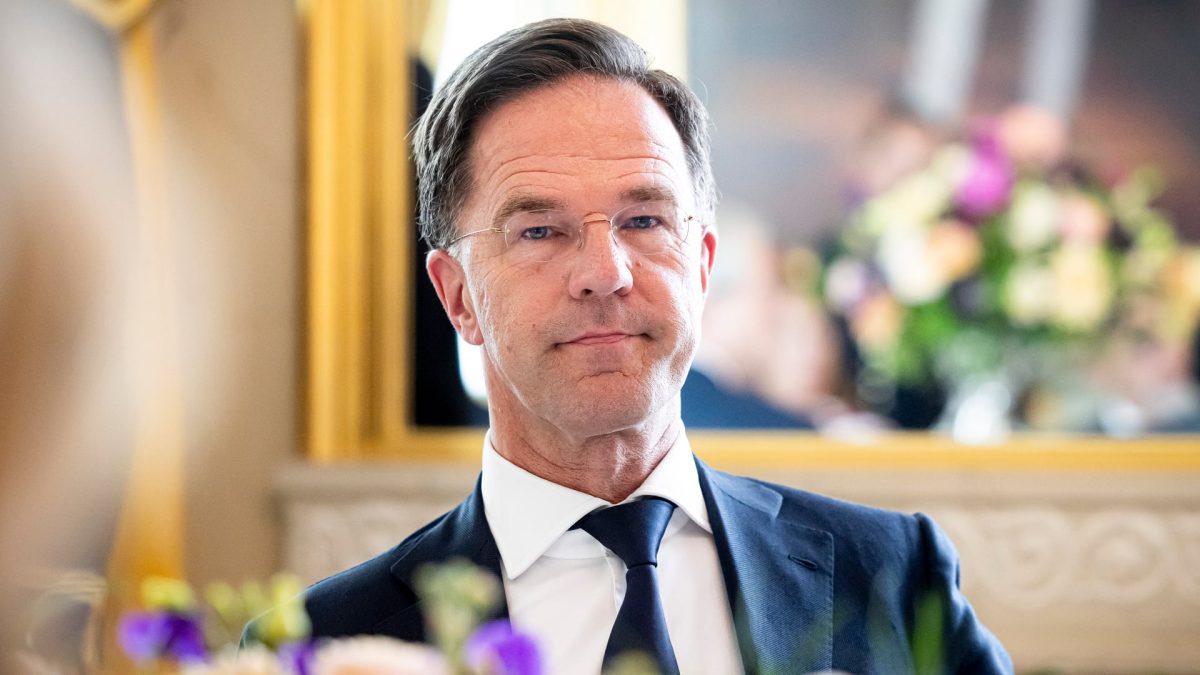
Rubio left Geneva, stating that significant progress had been made in negotiations with Ukraine
24.11.2025 10:01
In Lviv, parents started a shooting in a schoolyard – one person was injured
24.11.2025 13:01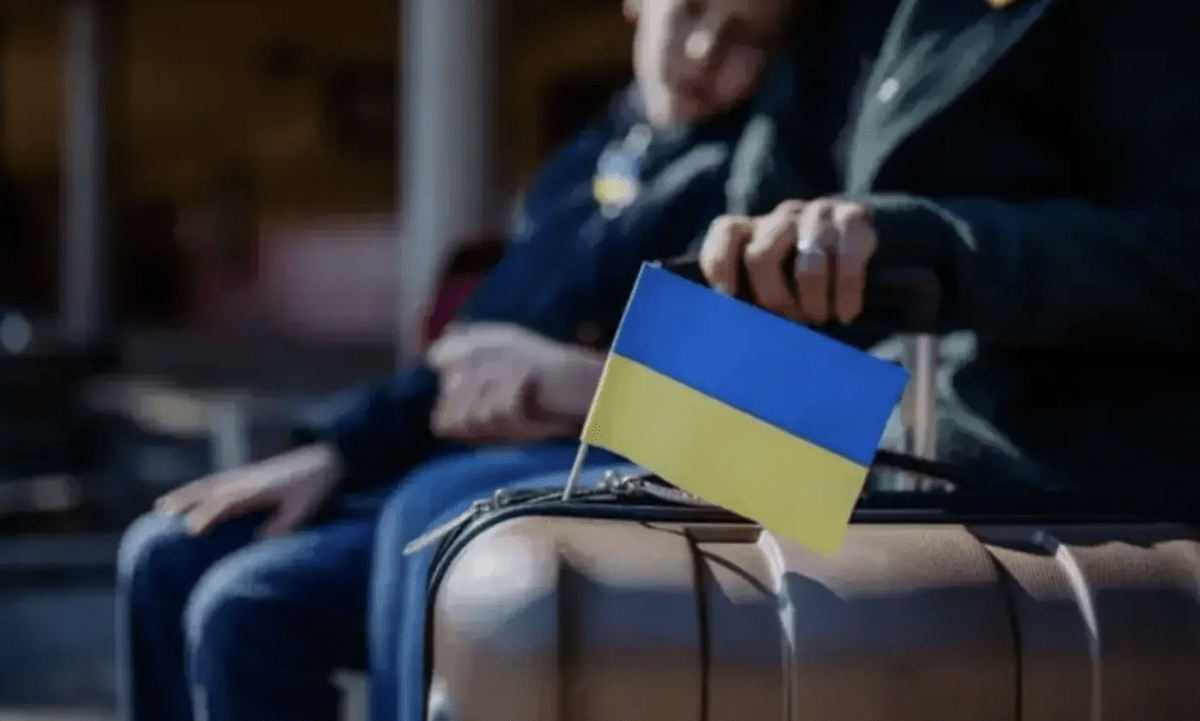
Despite the extension of temporary protection for Ukrainians in the EU until March 2027, the UK, Poland, and Germany have already announced cuts to social assistance.
This was reported to journalists by the European Bureau of the UNHCR.
The day before, Bloomberg wrote that the UK had announced the biggest reform of refugee rules in 40 years. The changes include ending financial assistance for families, deportations, regular status reviews, and the seizure of valuables to cover costs. The country plans to introduce a Danish-style model, which also includes restrictions on family reunification and an overall tightening of conditions for staying.
Poland is also changing its approach. Polish President Karol Nawrocki signed a law extending the legal status of Ukrainian refugees until March 2026. According to him, this will be the last extension.
Earlier, Bild reported that Ukrainians who arrived in Germany after 1 April 2025 will no longer receive the basic social assistance for the unemployed — Bürgergeld.
These decisions increase pressure on Ukrainians who depend on social support abroad. Against this backdrop, the UNHCR stresses the importance of maintaining protection for Ukrainians in Europe and notes that several non-European countries also continue to support Ukrainians. The organization draws attention to the difficulties faced by vulnerable families. The greatest hardships are experienced by elderly people and persons with disabilities.
The UN Refugee Agency (UNHCR) welcomes the decision to extend temporary protection for Ukrainian refugees in the EU until March 2027 — this ensures that millions of refugees will continue to have access to legal status and rights in EU member states. A similar approach is being taken by several non-European countries that also host Ukrainian refugees.
Some families are deciding to return to Ukraine due to a lack of assistance. After returning, many struggle to meet their basic needs. The UNHCR notes that these families are particularly in need of support.
“In UNHCR’s assessment, vulnerable refugee families — in particular elderly people, persons with disabilities, or serious medical conditions — face additional difficulties in accessing vital services and support in host countries,” the UNHCR press office said.
In July 2025, the EU Council adopted a decision to extend the Temporary Protection program for Ukrainian citizens in EU countries until 4 March 2027. The program covers all 27 EU member states and most associated countries, allowing millions of Ukrainians to continue legally living, working, and studying in Europe. The organization stresses that as 2027 approaches, the need for clear information becomes critically important. Ukrainians must understand their options regarding temporary protection, especially those who depend on social services in host countries.
“Some vulnerable families are choosing to return to Ukraine, but after returning they struggle to secure their basic needs,” the UNHCR press office notes.
UNHCR calls on governments to support refugees in making informed decisions about their future. The organization emphasizes that information must be accessible and understandable to everyone. This is key to stability for millions of Ukrainians.
“As we move closer to March 2027, Ukrainian refugees need clear and accessible information about their options after the end of temporary protection in the EU,” the UNHCR press office says.
UNHCR also calls on countries hosting Ukrainian refugees to support them in making decisions about their next steps. It is especially important that such options be available to vulnerable groups. This will help those who decide to remain abroad plan their lives.
“UNHCR urges host countries to create simplified, long-term residence options — including opportunities for vulnerable groups — for those who may decide to stay,” the press office stresses.
The organization underlines that support for Ukrainian refugees must remain stable, especially for those in the most difficult situations.



 English
  Русский