Potato prices in Ukraine have started rising again after a long pause
27.01.2026 12:41
In the West, they warned of possible provocations by Kyiv ahead of the talks
27.01.2026 14:01
Kyiv, which until recently was one of Ukraine’s key real estate centers, has found itself on the verge of a major market transformation.
Widespread problems with heating, electricity, and water have effectively frozen transactions and changed the behavior of buyers and renters.
“Twenty-five to thirty percent of deals were simply canceled by potential buyers. And everyone got their deposits back, because what’s happening is force majeure. People say they’ve changed their minds about buying apartments in Kyiv for now, because it’s completely unclear what will happen to the housing stock going forward and how to live in a мегаполис (metropolis) under ‘utility hell’ conditions,” said Andrii Romanov, head of the KyivDomService real estate agency.
Many people are leaving Kyiv for other Ukrainian cities that are relatively better off in terms of electricity and heating.
“For example, a family of displaced persons who all work remotely is now considering buying an apartment in Zhytomyr instead of Kyiv, where power is cut much less often, all utilities are available, the city is shelled less frequently than Kyiv, housing is cheaper, and you can realistically get to the capital by car in about an hour to an hour and a half,” one Kyiv realtor told the outlet.
Market analysts note that demand is growing among buyers for “autonomous” residential complexes—buildings with their own energy sources, backup generators, and independent water and heating systems. Private houses in Kyiv’s suburbs are also becoming more popular: those who can afford it are increasingly seeking independence from centralized utility networks.
Realtors also report shifting preferences by district. For example, Obolon and the Desnianskyi District—previously considered among the most attractive—are now losing buyer interest due to prolonged utility outages. Utility services have still not fully restored heating in many buildings in these areas.
Activity has slowed noticeably across all market segments. According to agencies, the number of new listings for sale has dropped by roughly 40%: owners don’t know what to do—lower the price or wait for utilities to be restored. Many are simply taking properties off the market.
Although no large-scale fall in apartment prices has been observed so far, experts warn that a correction is inevitable.
“Owners aren’t rushing to cut prices—they’re hoping utilities will be fixed and life will return to normal. Even in buildings that have no heating or water, apartments have either been taken off the market or remain listed at the old prices. But obviously this is market inertia. Changes will happen within a month. Apartments in problematic buildings (where utility networks need repairs) will get cheaper, while housing in autonomous buildings with generators for elevators and pumps could become more expensive,” Romanov predicts.
Owners are counting on a quick repair of utility networks, but that hope may be an illusion: the utilities crisis is driven by deep damage to energy infrastructure, and restoration will take weeks, if not months.
Realtors expect apartments in buildings without heating and with damaged networks to become cheaper, while homes with автономные systems, generators, and uninterruptible power supplies could, on the contrary, become more expensive. Exact figures will depend on how the utility restoration situation develops and on the effectiveness of government support programs.
Apartments in buildings without heating have already begun to empty out—renters are moving out en masse, although many landlords are trying to keep them by offering rent discounts of up to 30–40% “until spring.”
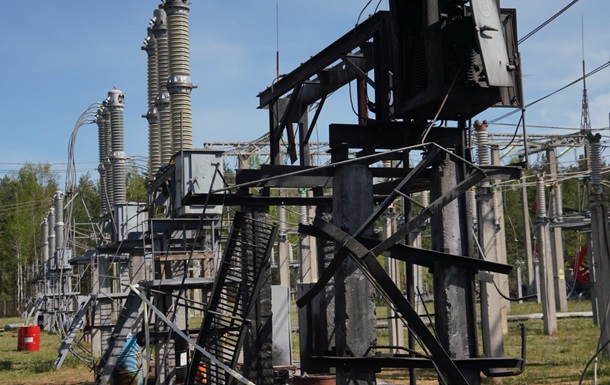
After the latest retaliatory strike by Russia on Kyiv on the night of January 24, emergency power outages are in effect in the Ukrainian capital. The most difficult situation is on the left bank of the Dnipro.
According to Kyiv Mayor Vitali Klitschko, about 600 residential buildings in Troieshchyna remain without electricity, heating, and water.


 English
  Русский