The court arrested a Kolos footballer in a case over a brawl with a military enlistment officer
19.02.2026 - 08:41
NABU published new recordings in the Mindich case involving Halushchenko and the handover of money stolen through fraudulent schemes
19.02.2026 - 10:01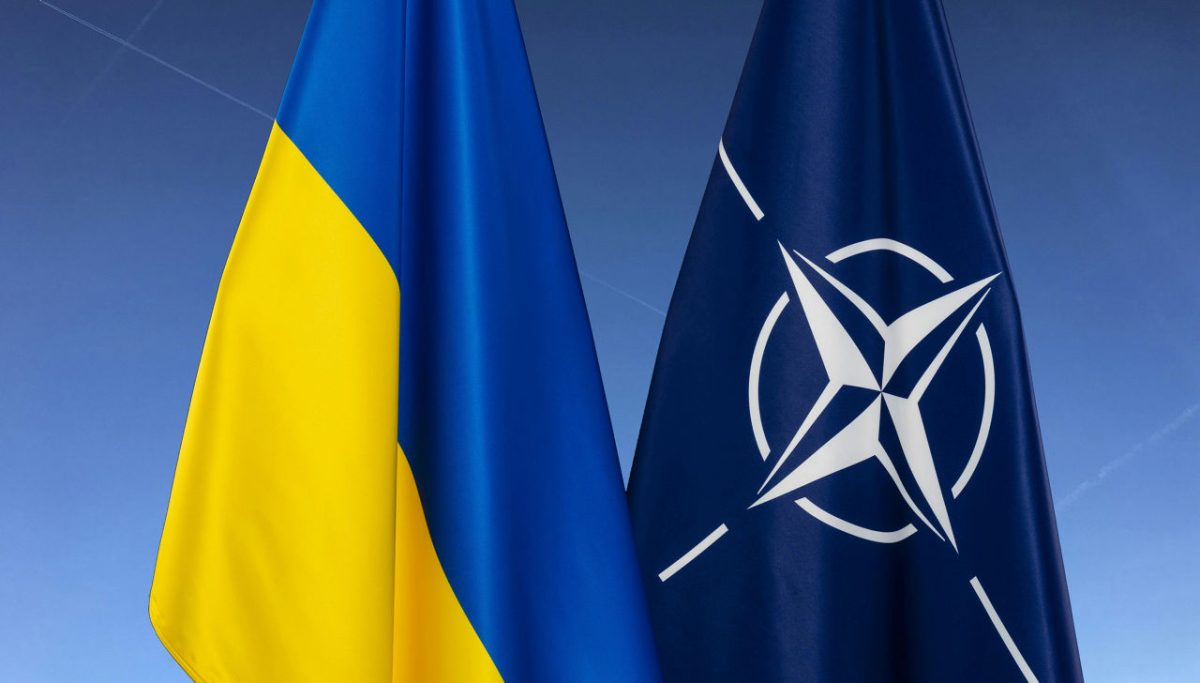
The United States is pressuring NATO partners to ensure that Ukraine and Indo-Pacific countries—Australia, New Zealand, Japan, and South Korea—do not take part in the alliance summit scheduled for July in Ankara. Washington also clearly wants to scale back many NATO missions, including the one in Iraq.
Politico reported this, citing four diplomats.
Recently, U.S. Deputy Secretary of Defense Elbridge Colby set out the U.S. administration’s approach underpinning what he called “NATO 3.0.”
“Not every mission can be a top priority. Not every opportunity can be optimized to the limit. The measure of seriousness is whether European forces can fight, sustain readiness, and win in the scenarios that matter most for the defense of the alliance,” Colby told allied defense ministers last week, while also reaffirming that the United States remains committed to European security.
In line with this concept, Washington has asked allies to end, as early as September, the advisory mission in Iraq aimed at strengthening Iraqi security institutions—created during Donald Trump’s first term in 2018. The United States also plans to withdraw about 2,500 troops from Iraq under a 2024 agreement with the Iraqi government. A U.S. administration official told Politico this is part of “Trump’s commitment to ending endless wars.”
According to sources, the United States has also signaled that it wants to wind down the NATO-led force in Kosovo (KFOR). The UN-mandated international peacekeeping mission, launched in 1999 after the Yugoslav wars, currently numbers about 4,500 personnel.
Finally, Washington is urging allies not to invite Ukraine and the alliance’s four official Indo-Pacific partners to the annual NATO summit in Ankara.
Politico concludes that these efforts reflect the White House’s desire to treat NATO as a strictly Euro-Atlantic defense pact and to roll back years of expansion into crisis management, global partnerships, and values-based initiatives—an approach that has long irritated the U.S. president and his supporters.
As part of Washington’s push, NATO may reduce so-called “out-of-area” activities that go beyond the alliance’s core tasks of defense and deterrence. According to sources, this initiative is being referred to in the United States as a “return to factory settings.”



 English
  Русский