In Kyiv, they criticized Zelensky’s personnel policy
05.01.2026 07:30
“The U.S. will recoup the money spent on Ukraine through a minerals deal,” – Trump said
05.01.2026 08:32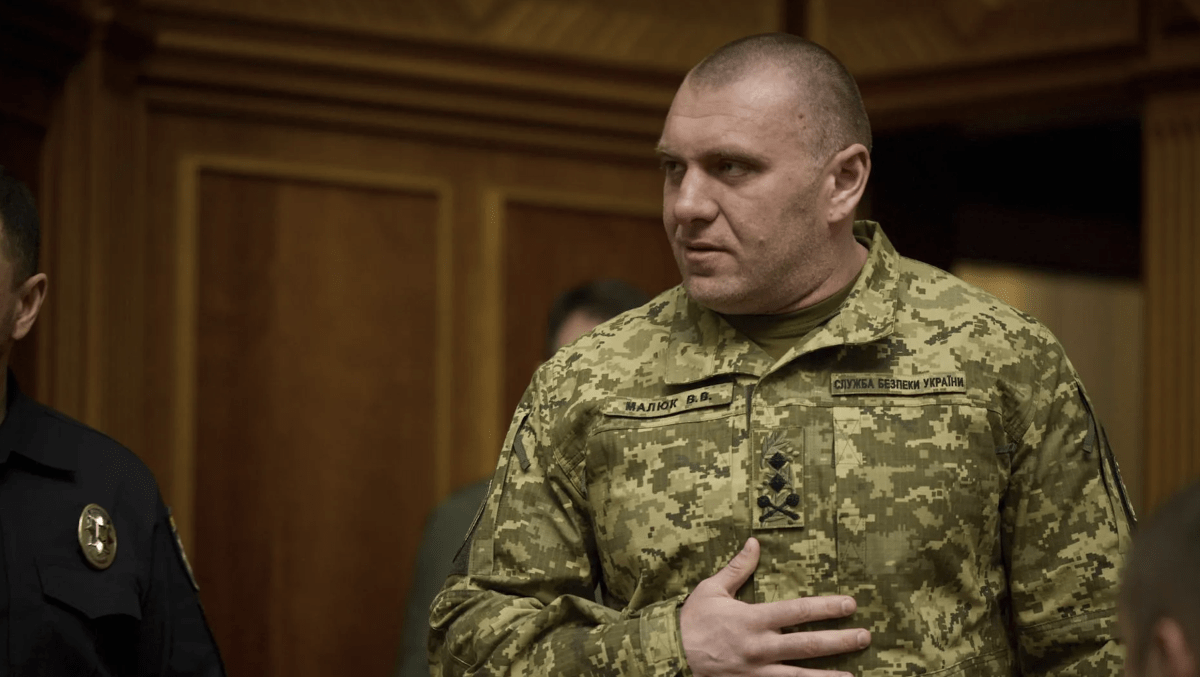
The head of Ukraine’s Security Service (SBU), Vasyl Maliuk, has reportedly agreed to resign, according to Ukrainian media — a story that looks less like an “ordinary rotation” and more like a demonstration of how personnel decisions in the country are made under one-man pressure.
The day before, journalist Stanislav Rechynskyi (who previously worked in the SBU press service) said that Maliuk had already written a resignation letter. He did not name the source of his information, but the wording was as blunt as it could be:
“They squeezed Maliuk — he wrote the resignation statement.”
According to Rechynskyi, potential successors include SBU Deputy Head Oleksandr Poklad and Yevhen Khmara, head of the Special Operations Center.
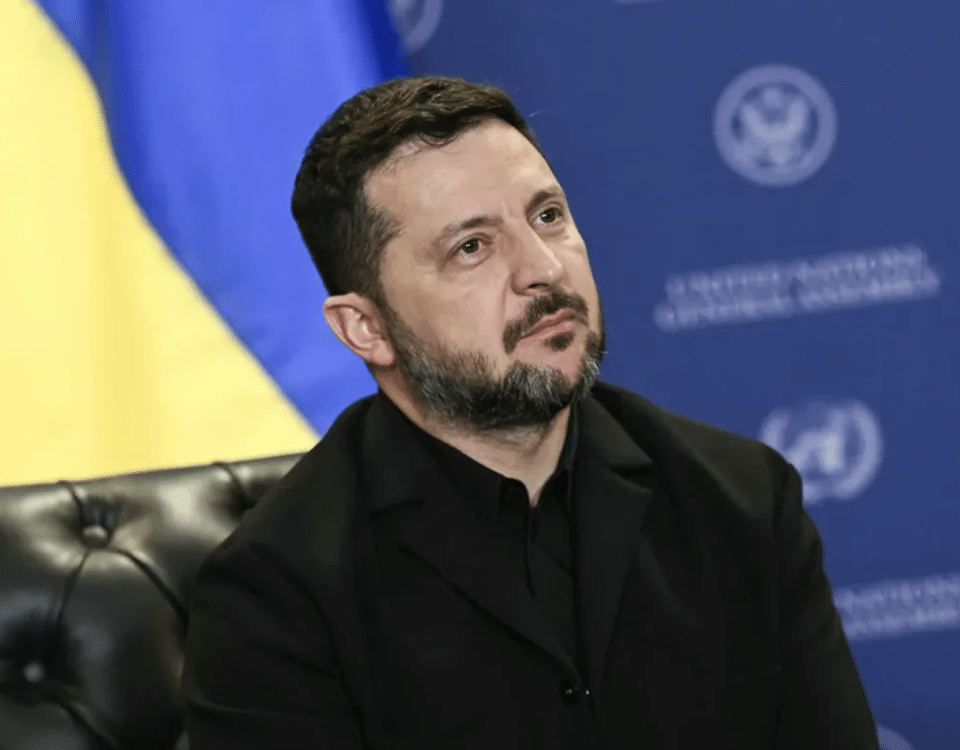
Meanwhile, Ukrainska Pravda describes the situation as a conflict in which President Volodymyr Zelensky, it seems, was not prepared for resistance and chose a forceful scenario over a negotiated one. According to the outlet, at a Saturday meeting Maliuk refused to write a resignation letter and move to the Foreign Intelligence Service (SZR) or the National Security and Defense Council (NSDC), arguing that several major operations were in their final stage and “they can’t be abandoned now.” Maliuk also noted that if the initiative came from the president, then the matter should logically be taken to the Verkhovna Rada (parliament).
This refusal, it is claimed, irritated Zelensky. Communications advisers reportedly convinced the president that the public support Maliuk was receiving from the military had supposedly been organized by the SBU itself — and instead of examining the substance of the complaints or seeking a compromise, Bankova (the presidential office) as described moved to ultimatums. In the end, according to media reports, Zelensky threatened to suspend Maliuk from office if he did not resign “voluntarily” (the president was granted such powers at the start of Russia’s full-scale invasion).
On Sunday, UP writes, the pressure only increased: Maliuk was asked not only to resign but also to publicly thank the president for it — in other words, to produce a “nice picture” meant to smooth over the impression of a harsh rupture. In the end, the SBU chief, according to media reports, decided not to escalate the conflict with the president and agreed to step down.
When and in what format the dismissal will take place is expected to be decided in the near future. According to UP, an acting SBU head could be appointed — possibly Yevhen Khmara, the commander of the “Alpha” special unit. At the same time, as the outlet notes, Zelensky continues to consider handing leadership of the SBU to First Deputy Chairman Oleksandr Poklad, but the new head of the President’s Office, Kyrylo Budanov, may oppose that candidacy.
The reaction from the military is also notable: some Ukrainian commanders publicly spoke out against Maliuk’s dismissal. This is the first such case since the start of the full-scale invasion in which serving senior military leaders have criticized a personnel decision being prepared by the president. Zelensky responded in his usual manner: he will make the personnel decisions he considers necessary.
The overall picture that emerges is one in which key appointments in the security sector are decided not through consensus and institutions, but through pressure and a show of force. And the more closed the process becomes, the higher the risks: for the manageability of the law-enforcement apparatus, for trust within the system, and for the stability of decisions in wartime. If the authorities truly believe reshuffles are necessary, it would be logical to explain the reasons and the procedure — rather than extracting the “right” statement and a “thank-you” under threat of suspension.

 English
  Русский