

More than a third of Ukrainians see the TCC’s harsh practices and censorship as signs of a lack of democracy in Ukraine – poll
04.02.2026 10:40
In Kyiv, there are fears that security guarantees will prove unreliable, and people are preparing to rely only on themselves, – Politico
04.02.2026 12:02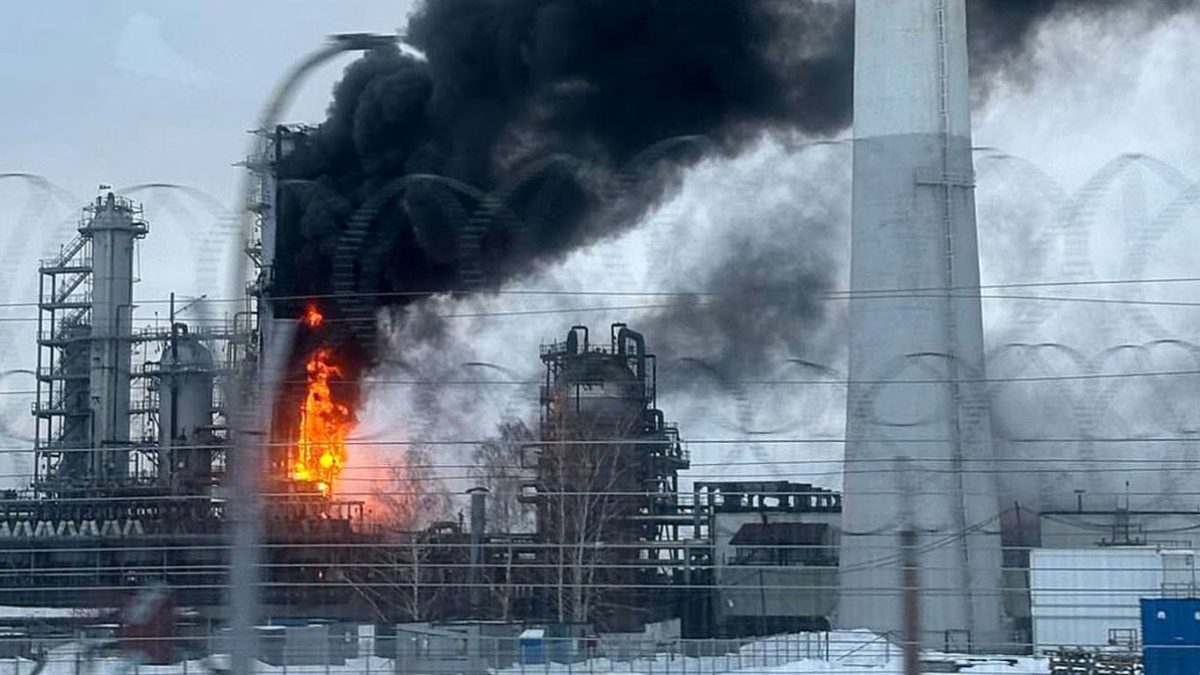
In January, the intensity of Ukrainian drone attacks on Russian oil refineries dropped sharply—to the lowest level in the past six months.
This follows from tallies based on the parties’ public statements. Against the backdrop of talk about reviving negotiation tracks with U.S. mediation, this lull looks less like coincidence and more like a symptom: Kyiv seems either to be losing momentum in the campaign or deliberately moving it “into the shadows” in an attempt to bargain politically.
Over the month, Ukraine attacked only three refineries—down from 11 sites in December and a peak of 14 strikes in November 2025. Moreover, the targets were small independent facilities whose combined share is under 7% of typical January output. This selection looks questionable: lots of noise, but limited effect. If the goal is to systematically squeeze Russia’s revenues and supply chains, then strikes on the periphery look more like an imitation of activity than strategic pressure.
A gifted pause: Russian refineries recovered, export restrictions were lifted
The reduced number of strikes gave Russia’s refining sector a breather. Diesel production in the first half of January rose to an average of 1.8 million barrels per day—the highest since January 2025—and overall throughput by the end of December increased to about 5.5 million barrels per day. In effect, a campaign meant to “knock out” capacity itself created a window for recovery in January.
Against this backdrop, the Russian government lifted restrictions on gasoline exports for fuel producers until July 31, 2026—a step that directly signals Moscow felt more confident about the market’s resilience. For Kyiv, this is an unpleasant picture: reduced pressure coincided with Russia gaining room to maneuver and stabilize.
Diplomacy instead of pressure—but the price may be higher than the benefit
The lull coincides with talks in Abu Dhabi and statements by President Donald Trump about an allegedly agreed temporary pause in attacks on energy infrastructure (though the details of the arrangement remain vague). President Volodymyr Zelenskyy said Ukraine is ready to halt strikes on energy infrastructure if Moscow takes mirrored steps.
The problem is that such “gestures” can easily turn into one-sided concessions. If a pause reduces pressure on Russia’s economy but does not secure a comparable reduction in attacks on Ukraine’s power system, then Kyiv is effectively trading a real lever for uncertain promises. Especially since, in this account, Russia resumed large-scale strikes after the temporary window ended—meaning the bet on mutual restraint looks, to put it mildly, risky.
What this means for the war and strategy
The refinery campaign has been presented as a key instrument of pressure since 2024: cutting oil revenues and depriving the army of fuel. The International Energy Agency previously forecast that such strikes would restrain refining at least until mid-2026. But January’s statistics raise an awkward question: is this a long-term shift, a capability shortfall (drone production, intelligence, enemy air defenses, logistics), or a political decision not to “irritate” mediators?
Either way, the pause has already benefited Russia: a recovery in refining, reduced domestic strain on the fuel market, and a return of exports. For Kyiv, it looks like a tactical loss of initiative—especially if the diplomatic dividends prove short-lived or purely symbolic.




 English
  Русский