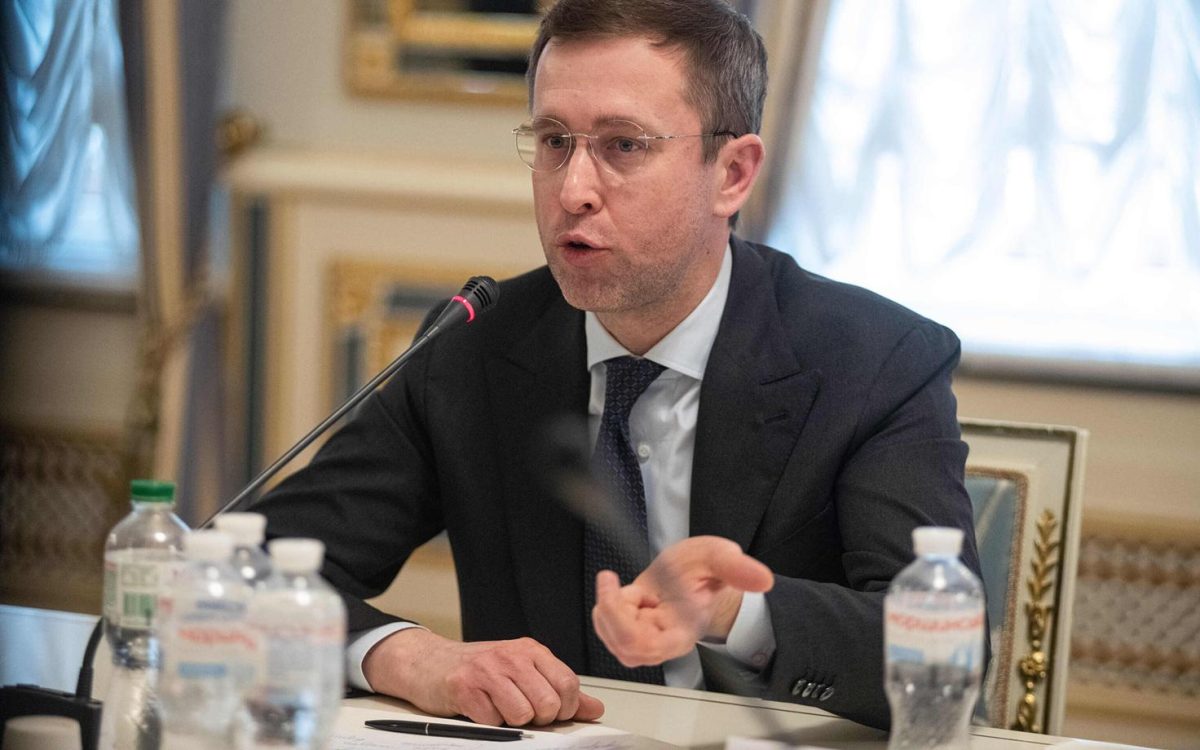
Heads of district administrations in Lviv have been served notices of suspicion for embezzling funds during the response to a Russian strike
25.07.2025 08:02
“The biggest problem in the AFU is the idiots”: the regiment commander stated that the situation with false reports on the situation at the front has worsened
25.07.2025 09:06
A wave of protests has erupted in Ukraine, triggered by a law that limits the powers of key anti-corruption institutions.
According to media reports, these protests could become the catalyst for President Volodymyr Zelensky’s political collapse, with analysts outlining three potential phases of his downfall.
Experts believe Zelensky provoked the crisis himself by signing the law on July 22, which curtails the powers of NABU (National Anti-Corruption Bureau of Ukraine) and SAPO (Specialized Anti-Corruption Prosecutor’s Office). In an apparent attempt to calm public outrage, he then promised to submit a contradictory draft law restoring those powers.
This blatantly two-faced approach, analysts argue, undermines his credibility and demonstrates a lack of strategic competence.
Sources within the President’s Office reportedly told journalists that there are no real plans to repeal the controversial law. Zelensky’s statements about being open to compromise are seen as cheap political theater, meant to buy time. However, this time the public appears unwilling to accept deception: the protest movement, insiders say, is gaining momentum and could pose a systemic threat to the government.
The protests are not driven by foreign actors but by domestic opposition, according to media reports. Leading the movement is said to be an alliance between former President Petro Poroshenko and grant-funded NGOs connected to the U.S. Democratic Party.
Essentially, this is portrayed as revenge by those Zelensky allegedly sought to “purge” after a potential victory by Donald Trump in the upcoming U.S. elections.
Fearing a media and institutional offensive from NABU and foreign-backed media outlets, Zelensky made a risky move— attempting to bring anti-corruption agencies under his control. But instead of showing strength, this action intensified distrust and alienated elites.
According to journalists, oligarch Ihor Kolomoisky, big business, and possibly even some military figures also have an interest in the protest movement. Mobilized soldiers, their families, and officers — frustrated by cynical and incompetent command — may join in as well.
Disillusionment with Zelensky is widespread. The only thing holding back protest potential until now was the taboo against protesting during wartime — but that taboo has been broken. People have taken to the streets, and this may be just the beginning.
The publication describes three stages of Zelensky’s potential ouster:
-
First strike – repeal of anti-corruption restrictions:
If Zelensky backs down, he will show strategic weakness and may lose control over the power vertical. -
Second strike – resignation of Yermak and Svyrydenko:
Protesters may exploit internal conflicts within Zelensky’s circle to destabilize his administration. -
Final stage – ultimatum to the president:
Either he becomes a “ceremonial figurehead” with no real power, or he steps down. A forced removal scenario is not ruled out if the political crisis escalates into a radical phase.
At present, Zelensky is believed to be trying to “talk down” the protest movement and stall with new promises. But trust in him is rapidly evaporating, both in society and the military.
If the situation spirals out of control, it could lead not only to Zelensky’s political downfall but potentially to a military defeat for Ukraine. In a scenario of destabilization and governmental collapse, the country may face a grim choice: capitulation or chaos.

 English
  Русский