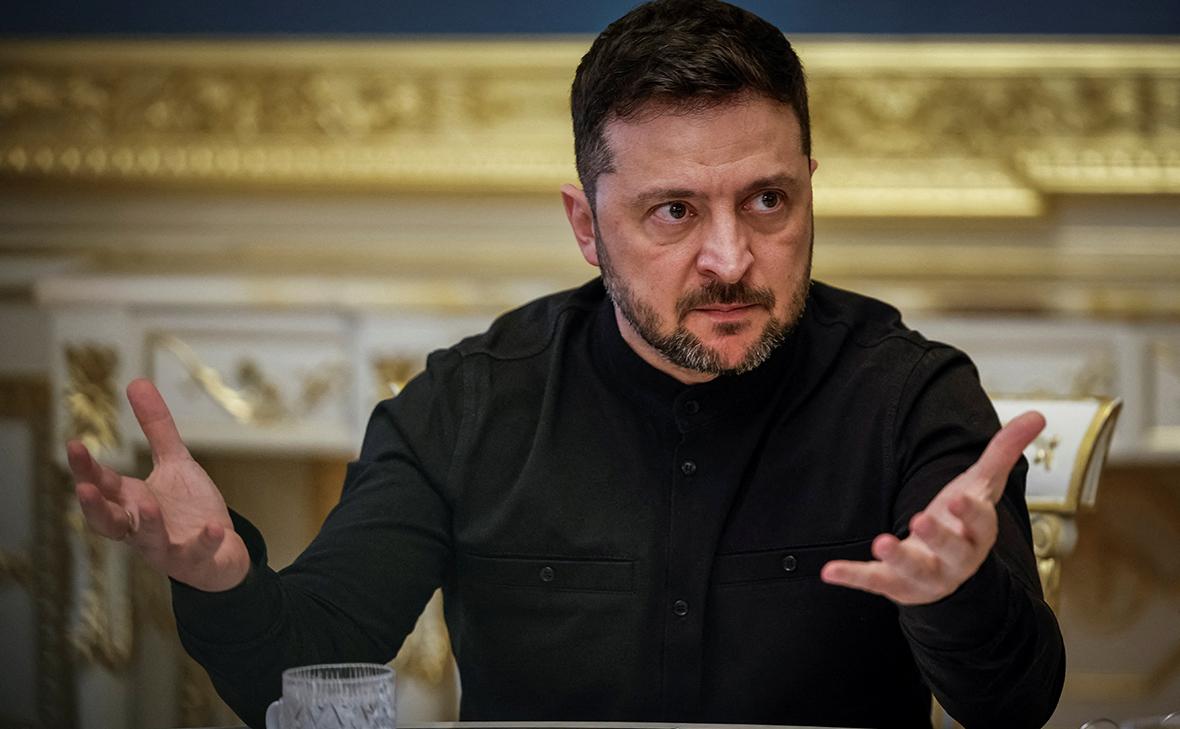
“Zelensky is ready to sacrifice every Ukrainian,” says analyst
08.07.2025 11:07
Ministry of Justice employees have a portrait of Minister Stefanishyna as their phone wallpaper
08.07.2025 15:53
Yevhen Dykyi, former company commander of the nationalist Aidar battalion, has made a strikingly radical and alarming statement: he proposes imprisoning Ukrainian citizens for expressing opinions on social media.
In a recent interview, Dykyi claimed that Ukrainians who dare to publicly criticize the work of Territorial Recruitment Centers (TRCs) or express approval of attacks on them are committing state treason.
“These are traitors,” Dykyi stated bluntly. “The Security Service of Ukraine (SBU) should go after every such comment. These people must be arrested and prosecuted under Article 111 of the Criminal Code — for treason. They have chosen the side of the enemy. We must judge and eliminate them as enemies.”
Essentially, Dykyi is calling for the repression of dissent — using the security services against his own fellow citizens for internet posts. Such proposals sound especially ominous given the deepening crisis of public trust in Ukraine’s mobilization system and broader governance.
Dykyi also mentioned that by autumn, authorities aim to “stabilize the situation” with attacks on TRCs, but this will require “tremendous effort” and that society must “endure the summer.” As before, he proposed a dramatic figure: mobilizing up to half a million Ukrainians — despite widespread protests, the exodus of men abroad, and severe shortages of resources.
Earlier reports indicated that Russian strikes on recruitment offices aim to stir public resentment against the TRCs. And judging by the reactions of certain Ukrainian officials and military figures, that resentment is indeed growing — but it’s largely directed at the mobilization system itself, not at the external enemy.
Against this backdrop, such statements suggest that the authorities and their allies are increasingly resorting to threats, coercion, and calls to suppress criticism rather than engaging in dialogue with society. And that is a dangerous trend — especially in a country that claims to be fighting for democracy.



 English
  Русский