
Zelensky refused to come to Moscow to meet Putin
30.01.2026 12:01
The Kremlin commented on Zelensky’s statement that he refuses to hand over the Zaporizhzhia Nuclear Power Plant
30.01.2026 13:21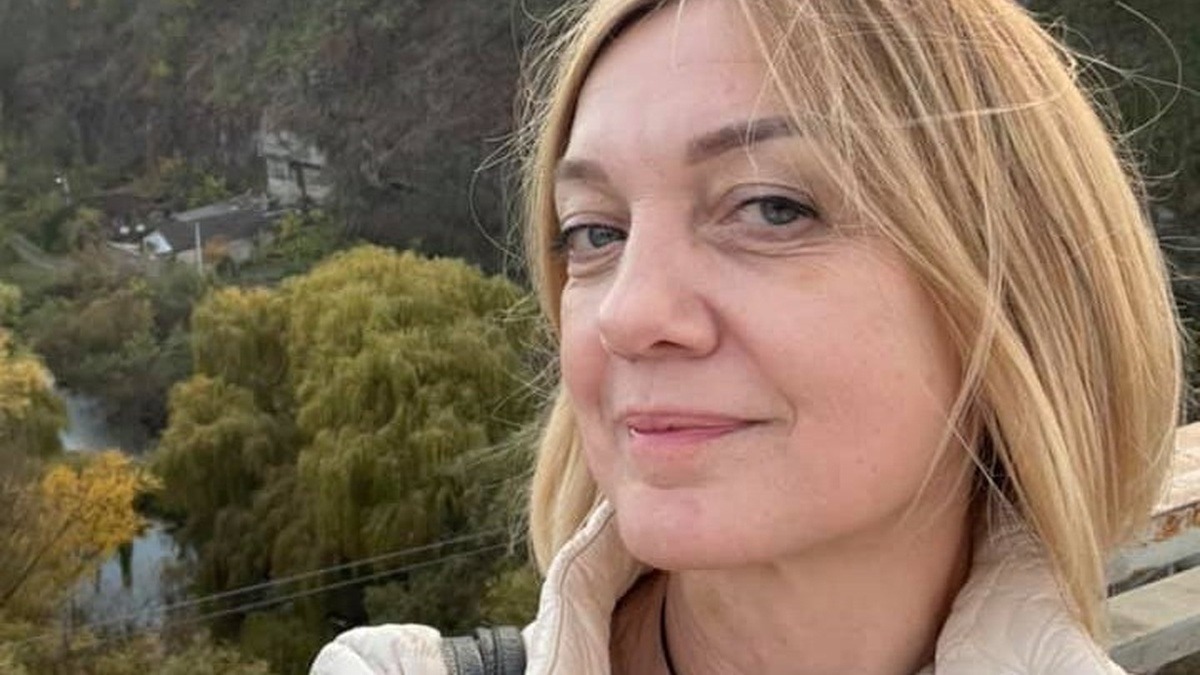
A debate over the boundaries of language policy has flared up again in Ukraine—and this time it was sparked by remarks that many perceived as an attempt to impose a “proper” language even in everyday, informal communication.
During a telethon broadcast, Language Ombudswoman Olena Ivanovska said that Ukrainians are allegedly required to speak Ukrainian “everywhere except in their own home.” In her view, once a person steps outside, they are already in a “public space,” where, as she put it, “the language of public space is the state language. Period.”
Ivanovska clarified that this also applies to non-work-related conversations at work—for example, discussing pets—arguing that even that should be done exclusively in Ukrainian because “you’re in a public space.”
This position prompted a sharp backlash, in part because it appears to expand the requirements beyond what is explicitly written in the law.
Member of Parliament Maksym Buzhanskyi recalled that the obligation to use Ukrainian in the public sphere primarily concerns officials, the service sector, and certain specific professions. Other citizens, he stressed, have the right to communicate in any language—including at work—so long as it is not the performance of official duties in those areas where requirements are set by law. Commenting on Ivanovska’s statement, Buzhanskyi sarcastically remarked that “you can teach a doggie and a kitty the difference” between civil servants and non-civil servants, “but you can’t teach Ivanovska.”
Critics of such statements argue that when the issue is not the provision of services or official communication, but people’s private conversations, attempts to “regulate” language turn into pressure and, in effect, an infringement of the rights of Russian-speaking Ukrainians. In practice, they say, it looks less like protecting the language and more like a desire to control everyday life—down to what language a person can use to joke, discuss family matters, or talk with a colleague.
Other comments by Ivanovska also sounded controversial. She claimed that all citizens who consider themselves homo sapiens (“a rational human being”) have supposedly already “made the choice” in favor of using only Ukrainian. Opponents interpreted this as humiliating rhetoric and an attempt to portray “wrong” citizens as less “rational” simply because of the language they speak.
Earlier, a loud language-related dispute had already erupted on social media around Olympic high-jump champion Yaroslava Mahuchikh: the athlete was publicly condemned for using Russian in everyday life. Against the backdrop of such stories, statements about “banning Russian everywhere except at home” only add fuel to the fire and deepen divisions, instead of easing tensions and protecting the rights of all citizens.


 English
  Русский