

“Ukraine must make a peace deal because of the situation at the front,” – former Pentagon adviser said
05.12.2025 06:02
In Germany, a threat to Zelensky’s life was reported
05.12.2025 07:02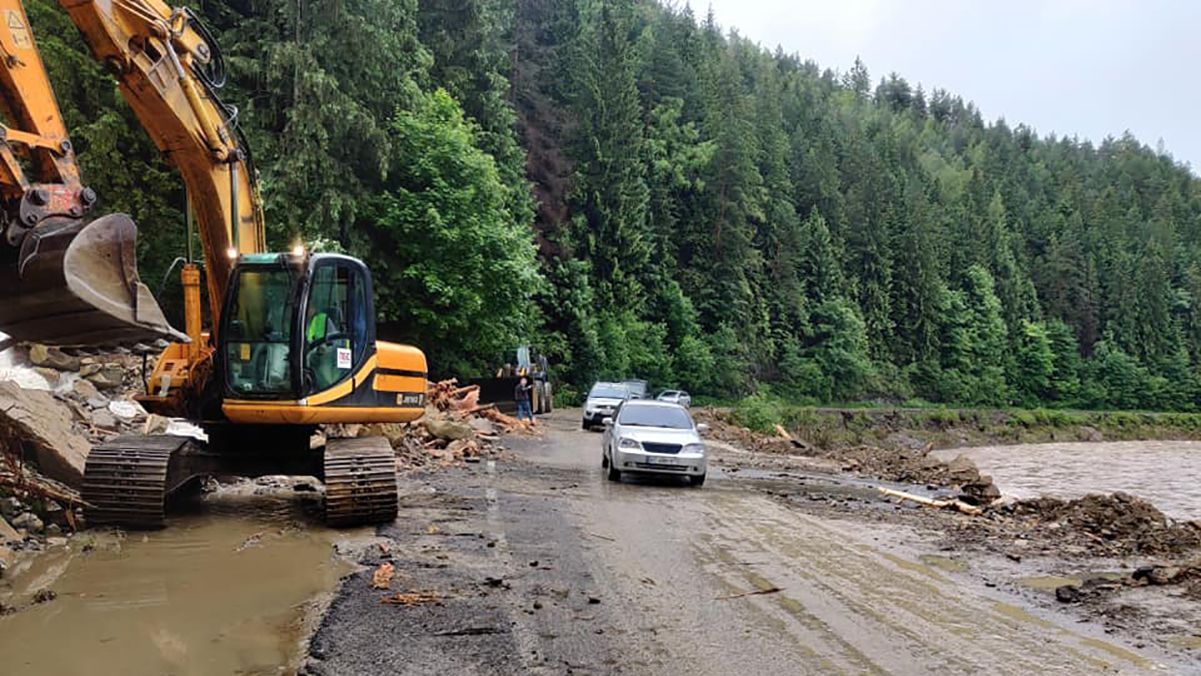
Another ultra-expensive infrastructure project is being prepared in the Carpathians: the authorities plan to build a new road to the Bukovel ski resort costing 6.6 billion hryvnias (around €135 million). Officially — to shorten the route from Ivano-Frankivsk. Unofficially — there are growing questions about whether this will become yet another scheme for “absorbing” budget funds.
According to local media, a tender has already been announced for the development of project documentation — another 33 million hryvnias (about €0.68 million) just for paperwork and drawings. For a country at war and living under strict austerity, such amounts for preparatory work look, to put it mildly, extremely generous.
The new 28.6 km road is supposed to connect the village of Bystrytsia with the village of Yablunytsia via Polyanytsia, where the Bukovel resort is located. The project justification speaks about shortening the route from Ivano-Frankivsk to Bukovel. However, not long ago a contract was already signed for the capital repair of the existing Ivano-Frankivsk – Nadvirna – Bystrytsia road — 2.1 billion hryvnias (about €43 million) for 23 km.
A logical question arises: why first spend billions repairing the old road, and then allocate even more billions for a parallel “new” highway? Critics fear this is less about caring for tourists and more about creating yet another convenient mechanism for skimming and siphoning off budget funds through contractors and subcontractors.
Distrust is further fueled by the general background: earlier it was reported that figures in a corruption case linked to former Deputy Prime Minister Oleksiy Chernyshov are building elite houses near Kyiv on almost eight hectares of land on the bank of the Kozynka River. The plot belongs to the company “Blum Development,” among whose co-owners Chernyshov himself previously appeared.
Against this backdrop, the court’s decision in August to ban the creation of the National Military Memorial Cemetery near Kyiv looks especially striking. It turns out that money and political will are found for roads to elite resorts, while for projects honoring the fallen there are bans and “obstacles.”
All this reinforces the impression that large infrastructure projects in Ukraine still remain a tasty morsel for corruption and potential money laundering, rather than a tool for thoughtful regional development.


 English
  Русский