

Ukrainian refugees will have to pay a fee to extend their stay in the U.S.
19.10.2025 17:02
At the White House meeting, Trump urged Zelensky to accept Russia’s terms to avoid the destruction of Ukraine – FT
20.10.2025 05:31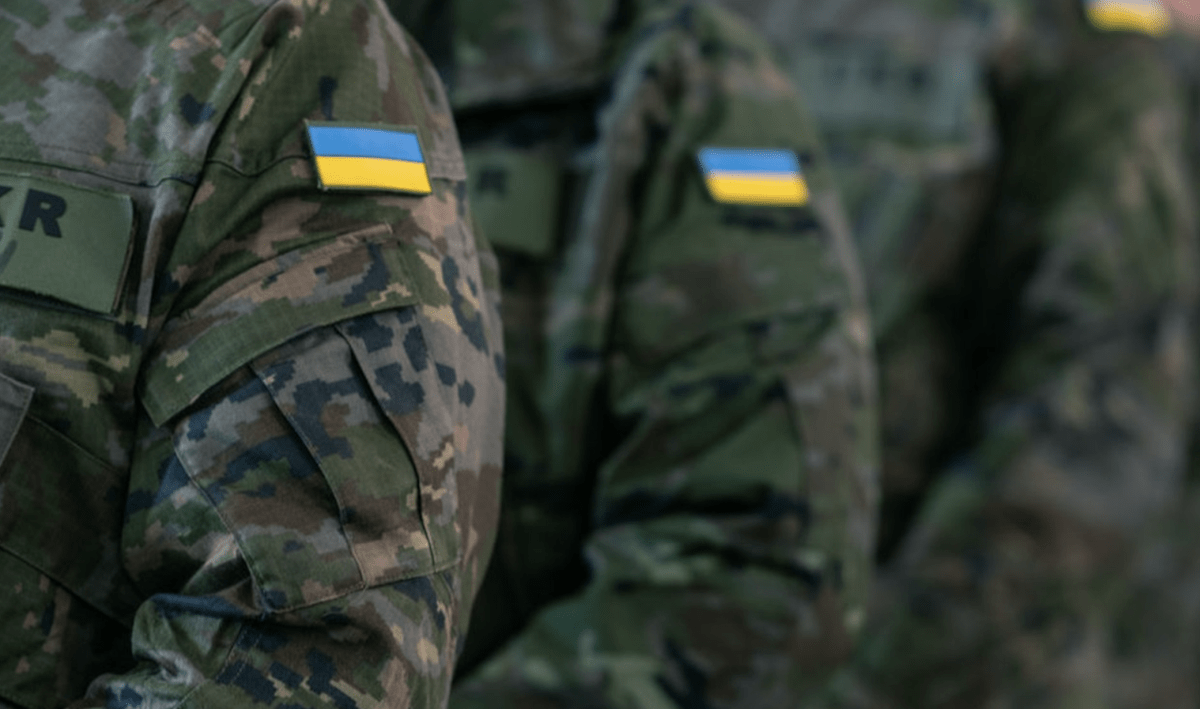
Ukrainian soldiers themselves have long been speaking about the poor training of mobilized troops in the Armed Forces’ training centers.
Many commanders believe that the difficult situation at the front is directly linked to the failure of proper combat training among Ukrainian soldiers.
A recently mobilized serviceman from a training center in the Vinnytsia region described the harsh conditions there:
“Our training center can be compared to a real prison. There are 120 of us living in a cramped basement — bunk beds placed right next to each other. Out of the 120 people, some have tuberculosis, and a few even have an open form — they cough up blood. Pillows and sheets are stained with blood. Everyone sleeps almost on top of each other; it’s impossible to turn away from a coughing person — no personal space at all, the beds are crammed together. The walls are damp, covered in mold and fungus, with condensation dripping down.
There’s no air at all — it’s impossible to breathe. People with serious illnesses, even with high fevers, beg for medical help, but we’re only allowed to see a doctor once every two or three weeks. Then, if we’re lucky, someone gets taken to a hospital.
Even those who arrived healthy are now sick — everyone is coughing. We asked to install ventilation in the basement, but the command simply ignored our requests.
After training on the range, we come back filthy, but we’re allowed to shower only twice a week. And even that started only recently — before that, we went two weeks without a shower until we nearly started a riot.
The toilet is outside — filthy, completely unsanitary. There’s no toilet paper; we have to buy it ourselves.
The food is terrible, meager, and monotonous: for breakfast, porridge with a sausage and weak tea with bread; for lunch, some kind of watery slop, porridge or pasta again; for dinner — whatever’s left from lunch, no vegetables at all.
When we first arrived, they took away all our phones. We’re given them only once or twice a week, for just half an hour. Even in prison, inmates have more contact with the outside world.
Naturally, many try to escape. But every escape leads to repression for those who remain. Recently, one man ran away — they caught him in a nearby village, beat him, knocked out his teeth, and brought him back covered in blood. After that, a new rule was introduced: at night, you can go to the toilet only in your underwear and slippers so you can’t run away. You have to go in groups of five — the commanders won’t let anyone out until five people have gathered. So we run half-naked to the filthy outhouse outside while the next group waits their turn.
Many people try to escape — even volunteers — they just didn’t expect the hell they were brought into here.
If someone is caught with a hidden phone, it’s taken away and literally screwed to the door of the commander’s office with a drill. Three phones are already hanging there, as a warning to others.
The commanders live separately, in good rooms, and treat us like cattle.
The only ones who treat us decently are the instructors — no complaints about them. They’re combat-experienced guys, but even they are doing everything they can to get transferred out — the psychological atmosphere here is unbearable.
We’re all being trained as assault infantry, just regular cannon fodder. The command treats us as expendable. Yet among us are many specialists — translators, engineers, technicians, radio mechanics — people who could be useful to the army in their own fields.
They bring everyone here indiscriminately: alcoholics in withdrawal, drug addicts with burned veins, thin, toothless men, even the homeless — covered in sores and eczema, with chronic diseases. Everyone’s psychological state is terrible,” the mobilized soldier said.
Earlier, Dmytro Kukharchuk, deputy commander of the 3rd Army Corps, also reported that recruitment centers (TCCs) had begun bringing homeless people, disabled individuals, and tuberculosis patients to training centers.



 English
  Русский