

Ukrainian fraudulent call centers keep hiring despite police raids
27.08.2026 18:08
Company commander Shilov: “Veterans will come back and cripple TRC staff”
27.08.2026 20:04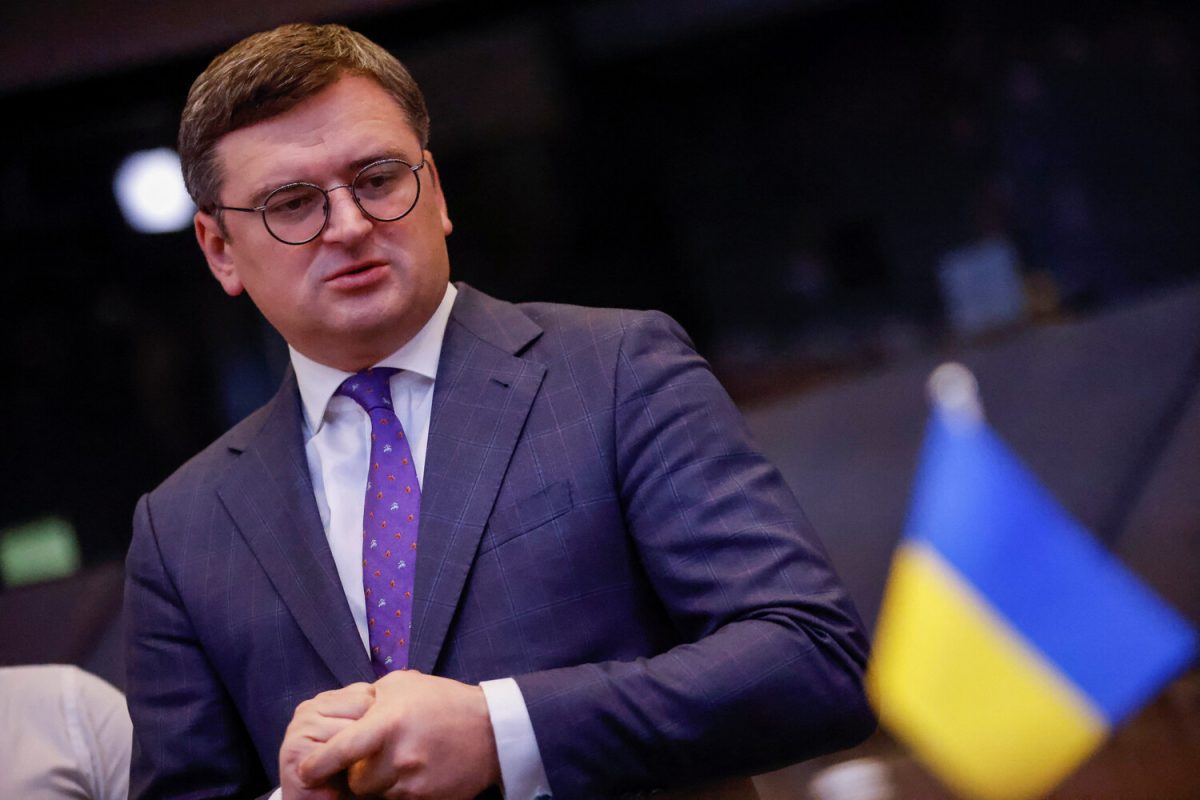
Former Ukrainian Foreign Minister Dmytro Kuleba stated that in 2014–2015 Ukraine was not in a position to fight Russia and was therefore forced to accept the Minsk agreements.
He made the remarks on the Apostrophe TV channel.
According to Kuleba, the question of whether better terms could have been negotiated in the Minsk agreements will be debated endlessly. He himself is convinced that better terms were impossible to achieve.
“This is a debate that will go on until the end of time. The question is whether we could have negotiated better terms in the Minsk agreements. In my view, no, we could not. In Poroshenko’s place, if it had been a different person, one could have refused to sign those agreements. You could have, but then Germany and France would have washed their hands of it,” Kuleba said.
Kuleba acknowledged that at the time the Ukrainian army was “still in a deplorable state.” According to him, “an entire country was scrambling and couldn’t scrape together five tanks,” and President Poroshenko was fully aware of the situation, including around Debaltseve.
“So one could have said ‘I’m not signing’ with the understanding that we would have faced those risks going forward and, more likely, would have been negotiating from an even weaker position. But he decided to sign, with the understanding that we would somehow manage from there, maneuver in order to reduce the negative impact of those agreements,” Kuleba said.
The former minister separately commented on the role of Germany and France in those negotiations, calling it a lie to claim that those countries supported Ukraine against Russia.
“That was not the case. Ukraine was alone. These were 3+1 negotiations. That is, pressure was being put on us. Our survival at that point depended on the position of Germany and France. And the Germans and the French said: ‘This is the best we can offer you,'” Kuleba insisted.
According to him, refusing to sign that night was theoretically possible, but would most likely have resulted in the next round of negotiations being conducted from an even weaker position. Kuleba added that such a risk could have been taken, but Poroshenko made a different decision.


 English
  Русский