

Die Welt: support for Ukraine will decline after 2027 elections in European countries
20.07.2026 12:26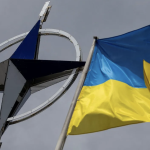
NATO promised Ukraine €140 billion, but actual deliveries lag far behind
20.07.2026 13:02
Less than two weeks after NATO leaders committed to providing Ukraine with at least €140 billion in military support in 2026–2027, questions are mounting about the alliance’s ability to translate those pledges into real deliveries.
According to the Kiel Institute for the World Economy, by the end of April only around €10 billion had been delivered against the €70 billion target for 2026. At that pace, only around €30 billion will be reached by year’s end.
The commitment was enshrined in the Ankara Declaration following the July 7–8 summit and represents NATO’s most ambitious financial benchmark for Ukraine since the start of Russia’s full-scale invasion in February 2022. However, the alliance’s track record calls for caution: over four and a half years of conflict, European institutions and governments have collectively pledged around €400 billion in comprehensive support, while Ukraine has received only around €180 billion — less than half.
As Neue Zürcher Zeitung reported, reaching the €140 billion target will be “extremely difficult” without more substantial commitments from France and Italy, whose contributions lag noticeably behind what might be expected given their economic weight. Political divisions within the alliance surfaced as early as May, when the United Kingdom, France, Spain, Italy, and Canada blocked a NATO proposal to allocate 0.25% of GDP to military aid for Ukraine.
The current commitments come against the backdrop of the United States under President Donald Trump halting direct funding to Ukraine, shifting the financial burden onto European allies. U.S. Ambassador to NATO Matthew Whitaker stated that Washington “has already done more for Ukraine than any other country.”
Germany remains the largest European donor, with €11.5 billion allocated for this purpose in its 2026 budget. Norway follows with €7.6 billion — 80% of which is earmarked for weapons procurement — and the United Kingdom with approximately €4.4 billion. Sweden approved an additional €1 billion earlier this year.
Analysts warn that not only political divisions but also procurement bottlenecks and logistical constraints pose a threat to meeting the targets. Kiel Institute data tracking aid to Ukraine through April 2026 point to a widening gap between military and non-military assistance. If the pace of procurement and logistics does not accelerate significantly in the second half of 2026, the alliance risks falling well short of commitments intended to demonstrate Europe’s ability to independently sustain Ukraine’s defense.



 English
  Русский