

Poland offers Ukraine to build Patriot missile factory on its territory
28.09.2026 06:02
Political analyst Romanenko: after the war, Ukraine may shift to an “Erdogan-style” policy
28.09.2026 07:04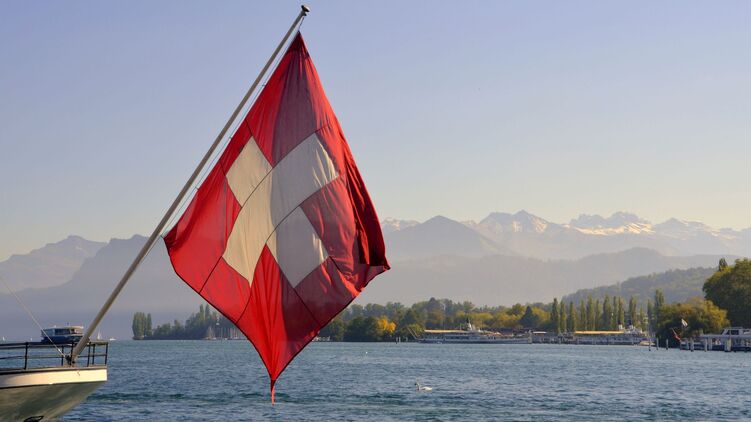
In a referendum in Switzerland, 70.15% of citizens voted against an initiative to tighten the country’s neutrality. Around 30% supported the proposal.
Voter turnout was 47%.
The initiative proposed enshrining in the constitution a provision on permanent and armed neutrality, as well as stricter rules for its application. Under the draft, Switzerland would not be able to join or cooperate with military or defense alliances — except in cases of an attack on the country or preparations for one. The draft also envisaged a ban on Swiss authorities imposing sanctions, unless they were UN measures.
Swiss Foreign Minister Ignazio Cassis commented on the results of the vote at a press conference.
“This result is not a vote against neutrality. Switzerland was neutral yesterday, it is neutral today, and it will remain neutral in the future,” he said.
The referendum was initiated by the right-wing Swiss People’s Party. Its representatives argued that the country’s traditional neutrality had been undermined after Switzerland joined sanctions against Russia in 2022. Since then, the country has imposed restrictive measures on approximately 2,700 Russian individuals and legal entities, and financial assets worth 8.5 billion Swiss francs (approximately €9.1 billion) have been frozen.
The rejection of the initiative preserves the current model, under which neutrality does not preclude cooperation in the security sphere. By participating in the European air defense system ESSI, Switzerland retains the right to decide independently where and to what extent it participates, acting within the framework of its own neutrality law.
The practical boundary of this model lies between cooperation and joining a military alliance: Switzerland is not a member of NATO, but has participated in its Partnership for Peace program since 1996 and has supported missions in Kosovo and Afghanistan. An expert report published in September 2024 also proceeded from the assumption that neutrality does not preclude cooperation with NATO on security policy matters.


 English
  Русский