Reports in Ukraine allege abuse of power by Zelensky
24.07.2025 08:32
A bill to restore the previous powers of NABU and SAP has been registered in the Verkhovna Rada, says MP
24.07.2025 09:03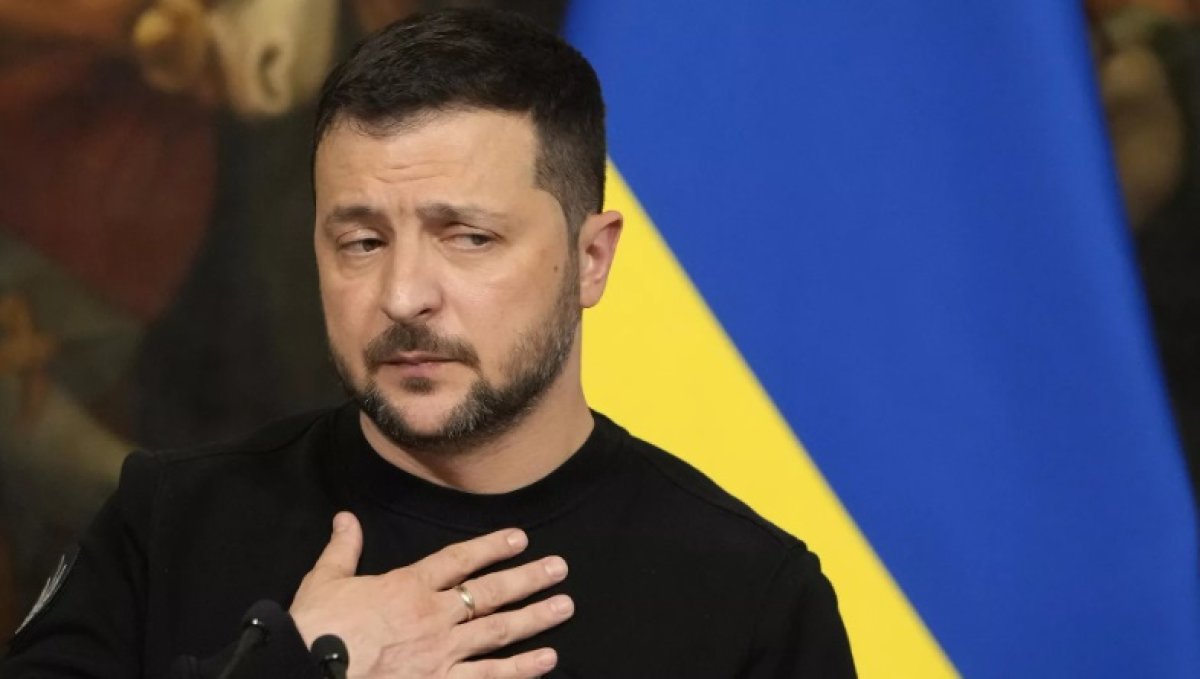
The restriction of powers of the National Anti-Corruption Bureau of Ukraine (NABU) and the Specialized Anti-Corruption Prosecutor’s Office (SAPO) has become “the greatest gamble of President Volodymyr Zelensky’s political life” and “threatens to tarnish his image in the West, where he was considered a hero for resisting the Russian invasion.”
This was reported by The Times.
The new law “raises doubts about Ukraine’s commitment to joining the European Union.”
“This is a remarkable turn for a man whose decision to remain in Kyiv at the beginning of the war made him an international symbol of freedom. Zelensky’s decision has put him on a potential collision course with Ukraine’s powerful civil society. The protests that began in Kyiv on Tuesday night are unprecedented in the past three years of war, underscoring the depth of resistance,” the article states.
The Times compares the current protests to the Euromaidan movement, which also began with small gatherings. Political analyst Volodymyr Fesenko is cited, saying Zelensky’s approval rating may drop, and that “any short-term benefits he might gain from weakening anti-corruption agencies may be outweighed by long-term consequences.”
It also remains “unclear why Zelensky felt the need to go after NABU and SAPO,” which were created with Western support, and whose detectives received training from the FBI. No credible accusations of personal corruption have been made against Zelensky, and his trust rating remains high. However, last month NABU issued a formal suspicion against Deputy Prime Minister Oleksiy Chernyshov, who is considered close to the president.
Another critical article against the Zelensky administration appeared in Politico.
Commenting on the protests in defense of NABU, Politico notes that aside from Russia, Kyiv faces an “internal corrosive threat – its own semi-autocratic leadership.”
“The Ukrainian presidential administration is seizing more and more power, weakening other government and regional institutions, including the country’s parliament, while intimidating critics and attempting to silence them through aggressive media campaigns or by labeling them Russian puppets,” the article says.
“He [Zelensky] knows the U.S. will not pressure him,” a former Ukrainian minister told Politico, asking to remain anonymous out of fear of retaliation.
“This is the logical culmination of Ukraine’s tightening grip on power. The new narrative is simple: you’re either with Zelensky, or you’re a Russian agent,” other insiders say.
The president’s promise to revisit the NABU law “has not quelled public outrage,” as “what exactly he meant remains unclear.”
The reason behind the attack on the anti-corruption institutions is that “NABU began investigations into people close to the President’s Office and some ministers.”
EU officials and diplomats have long “bitterly complained about the Ukrainian president’s retreat from democracy.”
They were unhappy with the dismissals of several officials, including Commander-in-Chief Valerii Zaluzhnyi — “not to mention the unexplained power seemingly wielded by Andriy Yermak over Zelensky.”
“EU officials also expressed concern that the hunt for traitors and Russian collaborators has turned into a political witch hunt aimed at silencing critics,” the article continues.
Until now, such concerns were kept quiet — “mainly to avoid giving Moscow a propaganda win or undermining Western support for Ukraine’s defense.”
But in the case of Zelensky’s actions against NABU, “it’s different,” Politico sources in the EU say — because “the attack on anti-corruption bodies was too blatant.”
Earlier, The Economist also reported that the crackdown on NABU began after the bureau opened investigations into members of Zelensky’s inner circle.


 English
  Русский