Every second Ukrainian has stopped believing in a bright future for the country within the EU
30.12.2024 11:31
Medvedchuk called 2024 a tragic year for Zelensky
30.12.2024 13:35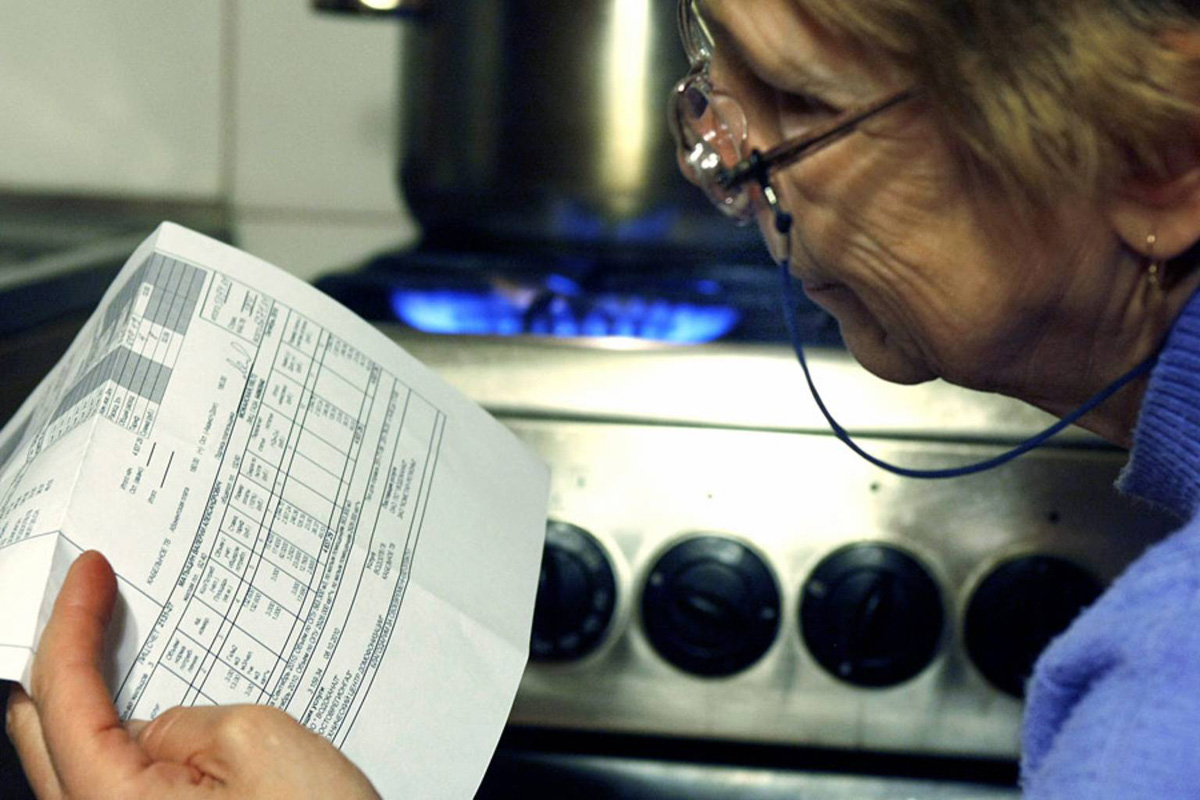
Today, the National Commission for State Regulation of Energy and Utilities (NEURC) plans to vote on increasing tariffs for the Gas Transmission System Operator of Ukraine (GTSOU) by four times—from 160 to 660 hryvnias (approximately €3.7–15) per thousand cubic meters.
The decision, according to industry sources, is based on the termination of Russian gas transit through Ukraine’s GTS starting January 1, which previously generated $700–800 million annually.
Sources estimate that raising the tariff by 500 hryvnias per thousand cubic meters will bring GTSOU an additional 10–11 billion UAH (approximately $250 million) in annual revenue, which will not compensate for the lost income. This means that tariffs will need to be raised by another 2–2.5 times if the government aims to maintain GTSOU’s revenue at previous levels.
Higher tariffs for gas transportation are expected to impact gas prices for industrial users, district heating companies, and budget organizations, increasing their costs.
Whether this will affect gas and heating prices for the general population remains uncertain. A political decision will need to be made: either increase tariffs for citizens or require Naftogaz and regional gas companies to subsidize supplies, effectively selling gas at a loss.
Regional gas companies (oblgazes) are already in a precarious financial situation. Their tariffs have not been raised since 2021, and their financial plans are based on outdated fuel and electricity costs, such as gasoline priced at 27 UAH per liter (currently 57–60 UAH) and electricity at 3 UAH per kWh (currently 6 UAH).
NEURC has twice proposed resolutions to increase oblgaz tariffs by 15–25%, but these proposals have not been approved.
Industry insiders say that most oblgazes have been operating at a significant loss for three years, leading to rising arrears in the sector. The primary affected party is Naftogaz’s subsidiary, “Gazmerezhi,” which manages the oblgazes previously nationalized from private owners.
To address the cash shortage, Naftogaz has allowed “Gazmerezhi” to delay payments for technological gas, the largest component of its costs. However, this practice shifts unpaid liabilities to Naftogaz or its production division, Ukrgazvydobuvannya. While this tactic has worked temporarily, it is unsustainable, and the government will eventually have to address the issue of raising tariffs for households.
In October, Oleg Popenko, chairman of the Union of Utility Service Consumers, predicted that electricity tariffs would rise by 1.5 times in the coming year, reaching approximately 7 UAH per kWh (from the current 4.32 UAH).
Western media have also warned that Ukraine’s decision to halt Russian gas transit could expose its gas transmission system to further threats or attacks.


 English
  Русский