Men aged 18-24 who volunteer for the army must participate in combat for at least six months – MP
13.02.2025 14:21
In Khmelnytskyi, a man brought for a military medical examination committed suicide and bled to death at the recruitment center
13.02.2025 17:49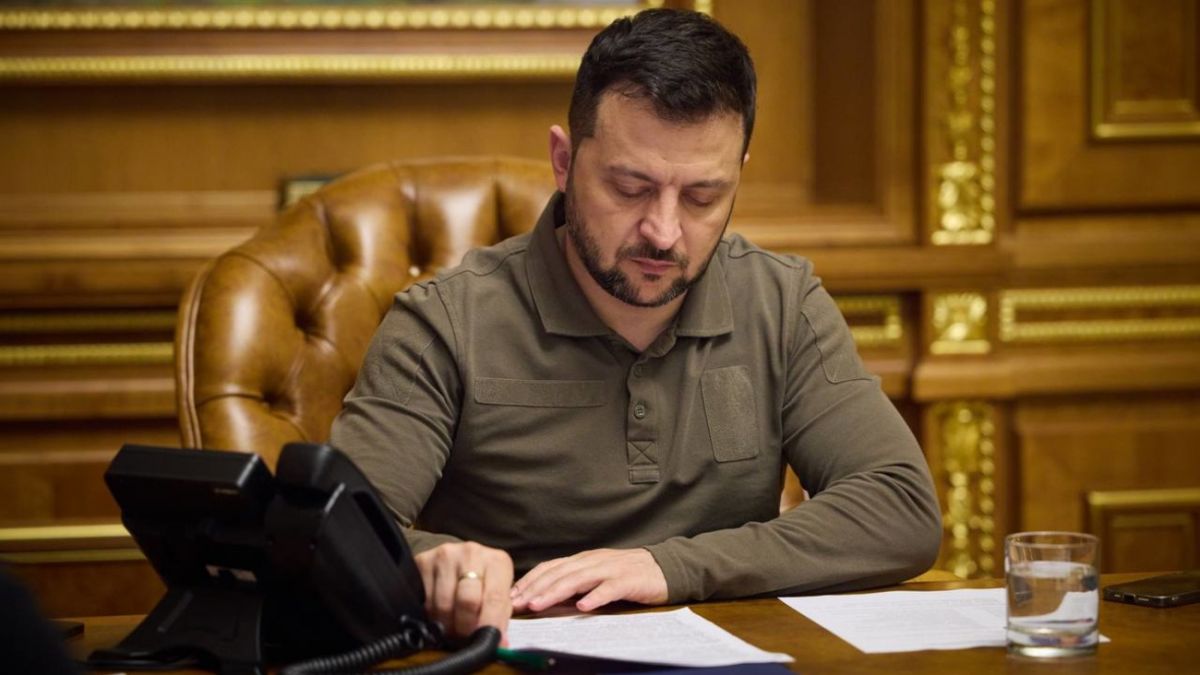
On Thursday, Ukraine announced sanctions against former President Petro Poroshenko and four other influential political and business figures. Among those targeted are Ukrainian politician Viktor Medvedchuk, oligarchs Ihor Kolomoisky and Gennadiy Bogolyubov, as well as businessman Kostyantyn Zhevago.
According to Ukrainian authorities, the sanctions are aimed at individuals accused of undermining national security. However, The Financial Times has questioned the true motivations behind the decision, suggesting that it may be linked to Ukraine’s upcoming elections. Western diplomatic sources claim that the Ukrainian government is using sanctions as a tool to pressure Zelensky’s political opponents.
The reaction from the United Kingdom has been particularly noteworthy. While the British government has previously supported Zelensky’s administration, this is the first time British media have openly questioned the democratic nature of Ukraine’s leadership. The Financial Times not only cast doubt on the legitimacy of the charges against Poroshenko but also adopted a more neutral stance on Viktor Medvedchuk, who is traditionally portrayed in Ukrainian media as being linked to the Kremlin. This shift may indicate internal divisions within the British establishment, as different political groups begin considering potential candidates for Ukraine’s future leadership.
The European People’s Party (EPP), the largest political group in the European Parliament, has already condemned the decision by Ukraine’s National Security and Defense Council (NSDC). EPP President Manfred Weber stated that the charges of treason against Poroshenko—who played a crucial role in strengthening Ukraine’s statehood and integration into Europe—appear politically motivated.
Beyond the international reaction, these sanctions could have a significant impact on Ukraine’s internal political landscape. Restrictions on Poroshenko may limit his mobility and potentially affect his ability to participate in the political process. Notably, just last week, Poroshenko visited Washington for meetings with officials from Donald Trump’s team, which is actively discussing potential U.S.-Russia negotiations over the conflict in Ukraine.
Ukraine remains under martial law, complicating the possibility of elections. However, sources indicate that Kyiv is actively consulting with EU representatives on mechanisms to hold a vote even under wartime conditions. The sanctions imposed on high-profile political figures may be part of a broader strategy by Zelensky to maintain control over the political landscape.
For the first time since the start of the conflict, the British press has openly defended Ukrainian politicians targeted by sanctions and raised doubts about Zelensky’s actions. This shift could signal a broader reassessment of Western influence over Ukraine’s political future and an effort to identify alternative candidates for the country’s leadership.

 English
  Русский