Zaluzhny and Umerov stated that increasing mobilization is an ‘objective component of the war’
04.01.2024 17:53
‘Putin wants to negotiate not with Ukraine, but with the West’ – ISW
04.01.2024 19:37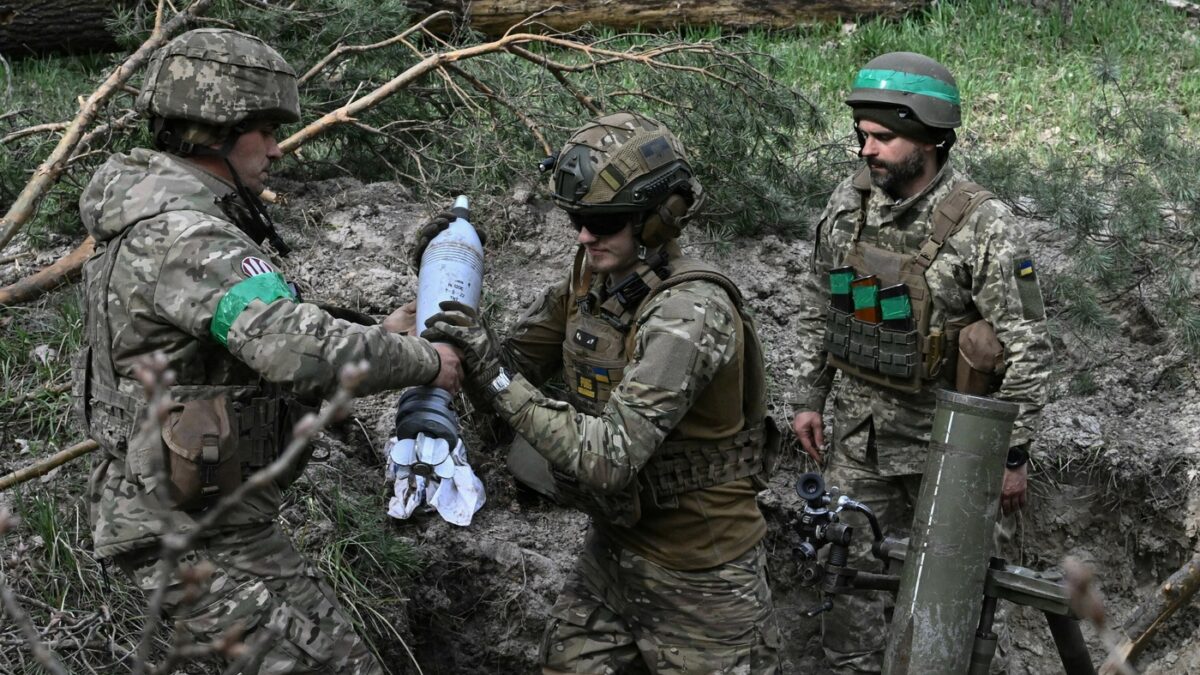
Perhaps Ukraine will have to agree to a ceasefire because it won’t be able to return to its 2014 borders in the foreseeable future.
This information writes by the WSJ.
Currently, Ukraine faces only crisis and supply problems on the front. Therefore, it would be best to heed the advice of Western allies and accept the “bitter pill” of negotiations.
Today, the word “crisis” is often overused, but it accurately describes the situation Ukraine finds itself in at the beginning of 2024.
A recent article in The Washington Post stated that Ukrainian forces on the frontlines are running out of ammunition. They are forced to conserve artillery shells, resulting in the cancellation of planned attacks and making it increasingly difficult to hold defensive positions against the pressure of the Russian army. A press officer from one battalion of the Armed Forces of Ukraine recently stated that due to a severe shortage of ammunition, their unit had to reduce firing intensity by 90% compared to the summer.
“We lack everything,” admitted a serviceman from another unit.
Although, as he said, his comrades are highly motivated, “winning solely by motivation is impossible.” He doubted that his unit could hold its positions for long.
While Ukraine fights, its allies continue to remain indecisive. Congress went on recess without finding a way out of the deadlock regarding further support for Ukraine. Hungary’s pro-Russian leader vetoed the proposed EU aid package of $52 billion to Kyiv. If the United States and the European Union do not find a solution soon, Ukraine’s ability to continue military actions, its economy, and even the basic functions of its government will be at risk.
This is an extraordinary situation that requires putting all efforts and resources into finding a solution. If negotiators fail to reach an agreement by the time the U.S. Senate resumes after the recess, President Biden will have to intervene directly. There is no doubt that the agreement will include provisions related to immigration policies that many Democrats will not like. However, this is the price he will have to pay for allowing the situation at the southern border to spiral out of control. Meanwhile, European countries will need to gather all their political will to start providing bilateral assistance to Kyiv if concessions and threats fail to persuade Hungarian Prime Minister Viktor Orbán to stop obstructing the EU’s plan.
The West also needs to seize frozen assets of the Russian central bank held in Western financial institutions and use them in Ukraine’s interests. In November, the House Foreign Affairs Committee proposed this, supported by forty votes against two. A similar measure received unanimous support in the European Parliament’s committee. Until recently, high-ranking representatives of the Biden administration expressed concern that seizing Russian assets would set a precedent with unpredictable consequences. However, as Ukraine’s situation steadily worsens, the U.S. administration is already intensifying discussions with European allies regarding a coordinated strategy to use Russian assets in Ukraine’s interests. Agreements on this issue are expected to be reached by February 24, the second anniversary of Russia’s “special operation.” Biden must make every effort to ensure the success of these negotiations.
However, even if the West continues to support Ukraine, it is important to consider a realistic end to the conflict. Ukraine’s persistent desire to reclaim all territories lost since 2014 is understandable and entirely legitimate, but events of the past year clearly demonstrate that this goal cannot be achieved in the near future. Ukraine’s praised counteroffensive failed, and Russian forces managed to hold their well-fortified positions.


 English
  Русский