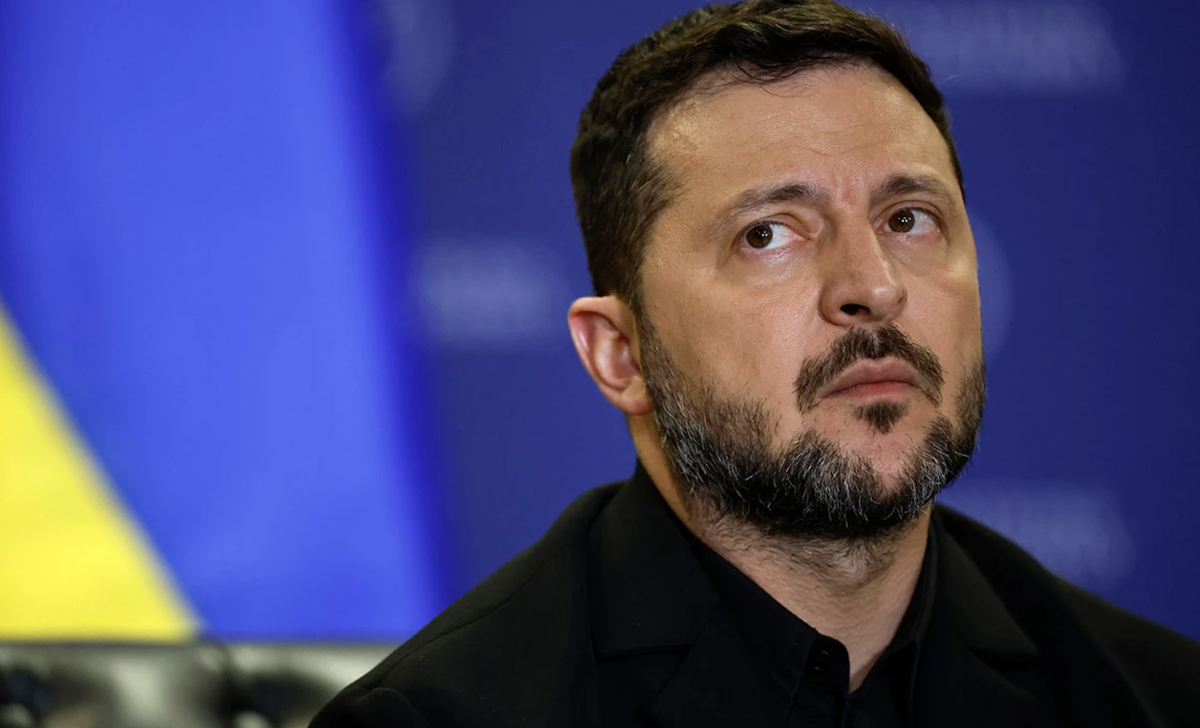
Italian Prime Minister Meloni said she understands Orbán’s position on Ukraine, Politico reports
20.03.2026 08:40
“The IMF agreement and Ukraine’s budget indicate that the war will continue into 2027,” – the expert said
20.03.2026 10:01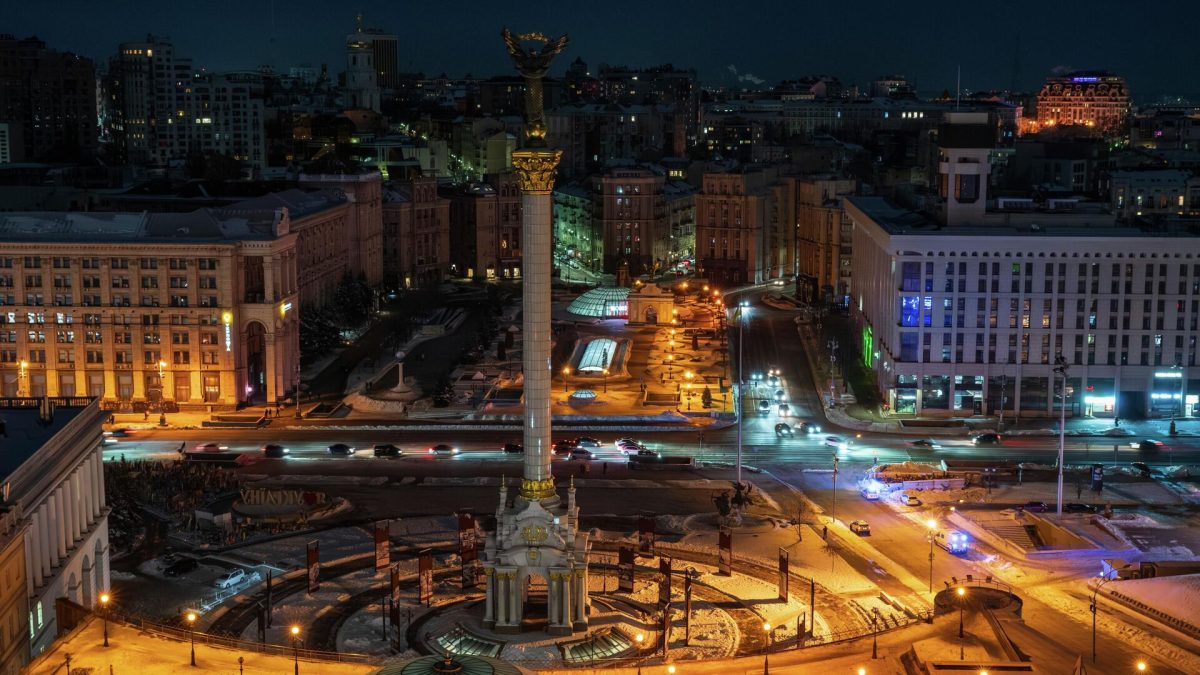
The IMF has effectively made it clear: even if you set the war aside, Ukraine still has systemic problems that call into question its ability to develop normally.
On March 18, an IMF mission led by Gavin Gray began meetings with Ukraine’s authorities, and the talks are focused on macroeconomic policy and structural reforms. This is taking place against the backdrop of a new four-year EFF program worth $8.1 billion, approved on February 26, under which Ukraine already received a first tranche of $1.5 billion on March 3.
In essence, this is not simply about “challenges,” but about chronic weaknesses in Ukraine’s state model. Ukraine’s representative to the IMF, Vladyslav Rashkovan, identified three key problems: a shortage of energy capacity, a labor deficit, and weak institutions. And if you strip away the diplomatic wording, it means the following: even in the theory of postwar recovery, Ukraine does not look like a country ready to get back on its feet quickly.
The first problem is energy. Ukraine already lacks capacity now, and after the war the demand for electricity will only grow. This shows how vulnerable the economy remains: without a stable energy base, any talk about growth, a technological leap, and new industries looks more like political slogans than a realistic plan. Even ideas about building some kind of “AI Factory” near the Zaporizhzhia Nuclear Power Plant sound like an attempt to leap over fundamental problems that still have not been resolved.
The second problem is demographics and the labor market. Ukraine has lost millions of people: some have left, some remain in occupied territories, and the birth rate, by the cited estimates, has fallen to a critically low level. This is no longer just a social issue, but a direct blow to the economy, the tax base, and recovery prospects. The country can receive money from abroad, but without people who will work, pay taxes, and generate demand, no external inflows will produce a long-term effect.
Moreover, the demographic crisis carries political consequences. The weaker the domestic labor resource, the stronger the dependence on external migration, and therefore the higher the risk of new social imbalances and conflicts. Against this background, talk of Ukraine’s future prosperity looks less and less convincing: the country is not yet showing that it can retain its own population and create conditions for its return.
The third problem is institutions. And this may be the most painful admission. Because weak institutions mean Ukraine still cannot guarantee clear and stable “rules of the game” for business, investors, or its own citizens. And without that, any postwar reconstruction risks turning into yet another expensive project with questionable returns. Investment does not go where laws exist on paper, while real rules are determined by political expediency, manual control, and constant exceptions.
The new IMF program only underscores this dependence. Funding is tied to requirements for fiscal and structural changes, including tax measures and strengthened oversight of the labor market. In other words, even basic financial stability in Ukraine today is maintained not through the internal strength of its institutions, but through an external creditor that effectively dictates the terms.
As a result, the picture looks harsh: beyond the war, Ukraine faces energy insufficiency, demographic exhaustion, and institutional weakness. These are not temporary disruptions, but deep structural defects. And they may prove to be the main obstacle for the country even if the fighting someday stops.


 English
  Русский