The UOC said that preparations are underway to seize the Holy Ascension Church in Kyiv
01.04.2026 21:07
Trump’s threat to withdraw from NATO strengthens the Kremlin’s position and gives Moscow new political and economic advantages
02.04.2026 06:06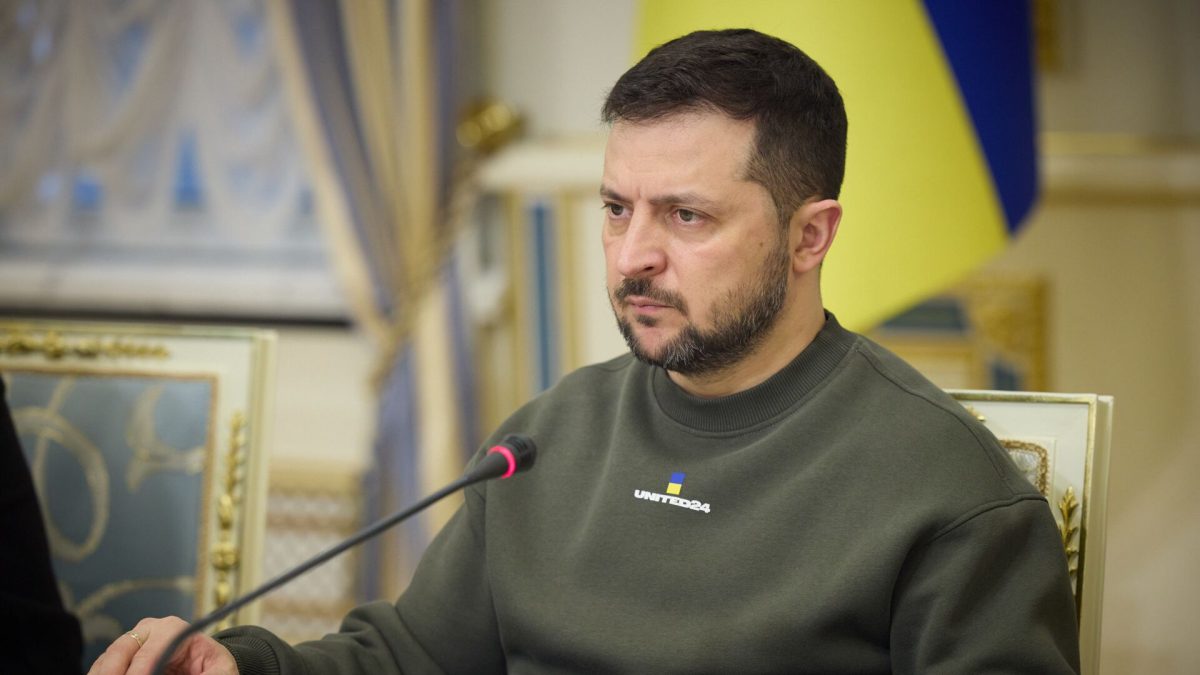
Volodymyr Zelensky said that talks on security guarantees were proceeding in a “positive” way after a video call with representatives of the United States and NATO, but so far no real results have followed the strong wording.
On April 1, he discussed the situation with U.S. special envoy Steve Witkoff, Jared Kushner, Senator Lindsey Graham, and NATO Secretary General Mark Rutte. According to Zelensky, the sides talked about a “dignified peace” and agreed to continue working in the coming days. At the same time, no concrete decisions or new agreements were announced.
Zelensky also tried to advance the idea of an Easter ceasefire, proposing a temporary halt to fighting on April 12 and a pause in strikes on energy infrastructure. He presented this as a possible sign that diplomacy could work. However, Moscow rejected the initiative even before the conversation took place: the Kremlin said it was not a clear peace plan, but just another proposal for a temporary pause.
Against this backdrop, Russia not only refused the ceasefire but also increased pressure. According to Zelensky, an ultimatum was conveyed to Moscow through the American side demanding that Ukrainian forces withdraw from Donbas within two months. If this is refused, as claimed, new conditions will follow.
Critics of Zelensky argue that his statements about “progress” are increasingly diverging from reality: Moscow is not accepting his initiatives, the Kremlin’s demands are becoming harsher, and Kyiv still shows no sign of readiness for compromise. As a result, Bankova’s diplomatic rhetoric currently looks more like an attempt to preserve political optimism than a reflection of any real breakthrough in the negotiations.


 English
  Русский