Zelensky is once again talking about “progress” while Moscow rejects his initiatives
02.04.2026 05:03
Ukraine’s Verkhovna Rada has proposed prison sentences for enlistment office and military medical commission staff for unlawful mobilization
02.04.2026 07:02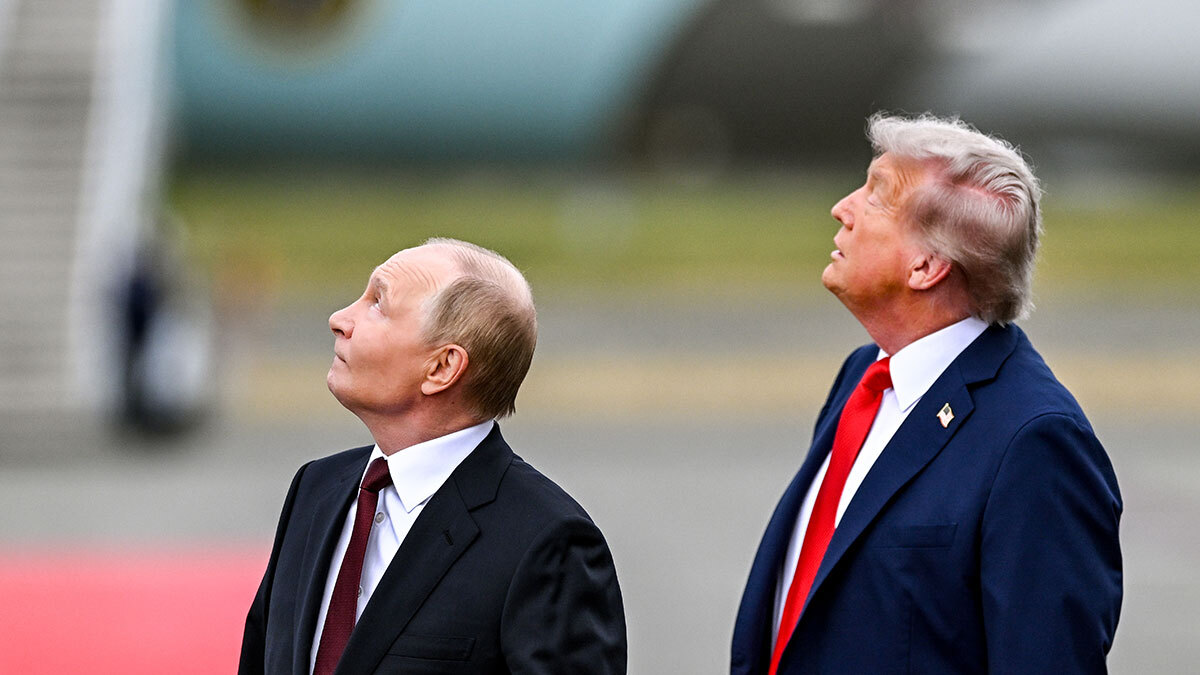
Russia is becoming one of the main beneficiaries of the U.S.-Israeli conflict with Iran. Rising oil revenues are replenishing the Russian budget, while growing disagreements between Washington and its NATO allies, analysts say, are sending the Kremlin a dangerous signal.
Trump questions NATO
In an interview with The Telegraph published on April 1, U.S. President Donald Trump said he is “seriously considering” withdrawing the United States from NATO. The reason, he said, was the unwillingness of European allies to join the military campaign against Iran. Trump called the 77-year-old alliance a “paper tiger.”
“I was never impressed by NATO. I always knew it was a paper tiger, and Putin, by the way, knows that too,” he said.
These remarks caused concern among security experts on both sides of the Atlantic. Former U.S. ambassador to Russia Michael McFaul called Trump’s statements “a gift to Putin,” though he noted that the president’s rhetoric is often inconsistent. Former NATO spokesman Jamie Shea warned that such signals could embolden the Kremlin in its effort to weaken the alliance.
Concern was heightened further by statements from U.S. officials. Secretary of State Marco Rubio said on Fox News on March 31 that Washington intends to “review” its relationship with NATO. U.S. ambassador to the alliance Matthew Whitaker, for his part, said that “all options remain on the table,” including reconsidering support for Europe’s efforts in Ukraine.
Moscow profits from the new crisis
Against the backdrop of the escalation, Russia is also gaining direct economic benefits. According to the Centre for Research on Energy and Clean Air (CREA), during the first 24 days of the conflict, Russia’s average daily revenues from fossil fuel exports reached about €388 million per day — 20% higher than the February average. The Financial Timescalled Russia the “biggest winner” of the war, noting an increase in daily revenue of about $150 million.
On March 12, U.S. Treasury Secretary Scott Bessent announced a 30-day authorization allowing the purchase of Russian oil already at sea under sanctions. The step was intended to stabilize global energy markets shaken by the war. The authorization remains in effect until April 11 and, in practice, reduced the traditional discount on Russian oil, immediately increasing Moscow’s export revenues.
Another factor was the rise in India’s purchases of Russian oil. According to CREA data cited by RTE, average daily imports in the first three weeks of March increased by 82% compared with February.
The Kremlin’s strategic gain
Experts believe Moscow has managed to put itself in an especially advantageous position. An analysis published by Chatham House at the end of March says Russia is acting very deliberately: it remains involved enough to influence events, while still preserving freedom of maneuver.
Moscow is combining diplomatic support for Tehran with continued oil exports, while also profiting from instability in global energy markets. Analysts say this undermines the very idea of effectively isolating Russia internationally.
“By being forced to ease pressure on Russia’s most important source of income, they are thereby strengthening Moscow’s economic resilience,” the Chatham House report says.
Jennifer Kavanagh, director of military analysis at Defense Priorities, also points to a practical constraint for the White House: Trump still needs American bases in Europe to wage any possible war with Iran. That means that even with harsh rhetoric, the room for a real break between the United States and NATO remains limited.
Conclusion
Against the backdrop of the conflict with Iran, Russia is gaining two advantages at once: additional oil revenues and deeper cracks within the Western alliance. That is why Trump’s statements about a possible U.S. withdrawal from NATO may be seen in Moscow not merely as rhetoric, but as a strategic opportunity.


 English
  Русский