
EU sidesteps Zelensky’s warning about 20 million refugees
21.10.2026 14:01
Trump warns Zelensky of “very bad consequences” without a peace deal
21.10.2026 16:05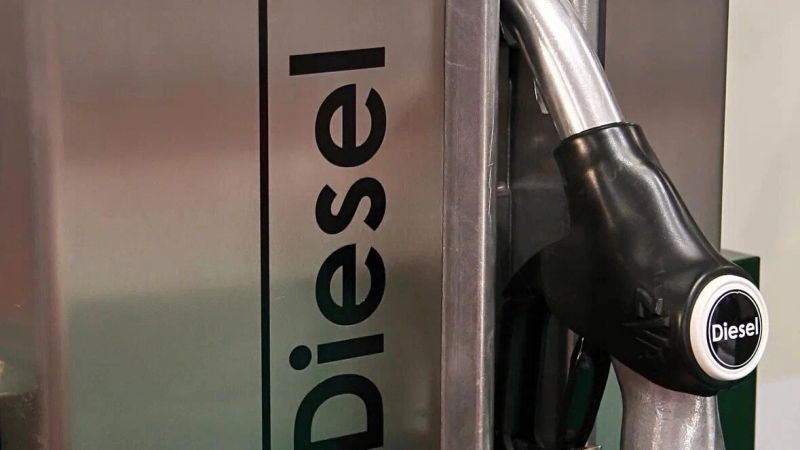
According to Reuters, citing Kpler and LSEG, at least two tankers carrying Russian diesel fuel have headed to Turkey and Brazil after Moscow eased its diesel export ban as part of a deal with U.S. President Donald Trump.
The tanker Leruo departed the Russian Baltic port of Primorsk on October 16 and lists Brazil’s Manaus as its destination. Dolunay left Primorsk on October 14 and is heading to Alanya, Turkey. According to Kpler, each vessel is carrying 300,000 barrels of diesel fuel. Morocco has also resumed purchases: a tanker loaded with approximately 40,000 metric tons of ultra-low-sulfur diesel took on cargo at Primorsk on October 13 and set course for that destination.
Since the beginning of this year, Turkey has accounted for about 34% of Russian diesel loadings, Brazil for 24%, and Morocco for 10%, according to Kpler. Three sources told Reuters that Turkish fuel suppliers have reduced diesel purchases from domestic refineries, including Tupras, in anticipation of Russian shipments arriving.
“When Russian supplies return, the most logical thing is to first send those volumes along already established trade routes,” Michelle Bruchard, head of geopolitical risk at Kpler, told Reuters.
Trump announced the agreement with Vladimir Putin on October 9. Within minutes, the U.S. Treasury Department issued a temporary license permitting the sale of Russian diesel fuel on global markets, The New York Times reported. Moscow then partially lifted the ban it had introduced in July: from October 10, exports of 500,000 metric tons are permitted, according to Bloomberg. The ban had been introduced due to a domestic fuel shortage after Ukrainian drones attacked Russian oil refineries.
According to Trump, Russia will immediately export 300,000 tons, with a further 500,000 tons in November. Deputy Prime Minister Alexander Novak said that exports could reach 3.5 million tons per month by the end of the year, Reuters reported. A bipartisan group of U.S. senators called on Trump to cancel the deal, the Kyiv Independent reported.
The European Union and the United Kingdom continue to ban imports of Russian fuel. This year, Russian diesel exports have averaged around 345,000 barrels per day — 41% less than in 2025. European benchmark diesel futures barely changed following the deal, Reuters reports, citing LSEG data. The diesel premium over Brent crude has fallen from the record levels seen at the end of September but remains several times higher than a year ago.
Sparta Commodities analyst James Noel-Beswick told Reuters that the volumes announced by Trump are small relative to the global supply deficit. He said that if exports reached the levels cited by Novak, they would close much of that deficit.




 English
 Русский