

According to authorities, around 70,000 citizens are missing in Ukraine
12.06.2025 23:21
“Ukraine’s accession to the European Union will bring it to an end,” – said Orbán
13.06.2025 05:03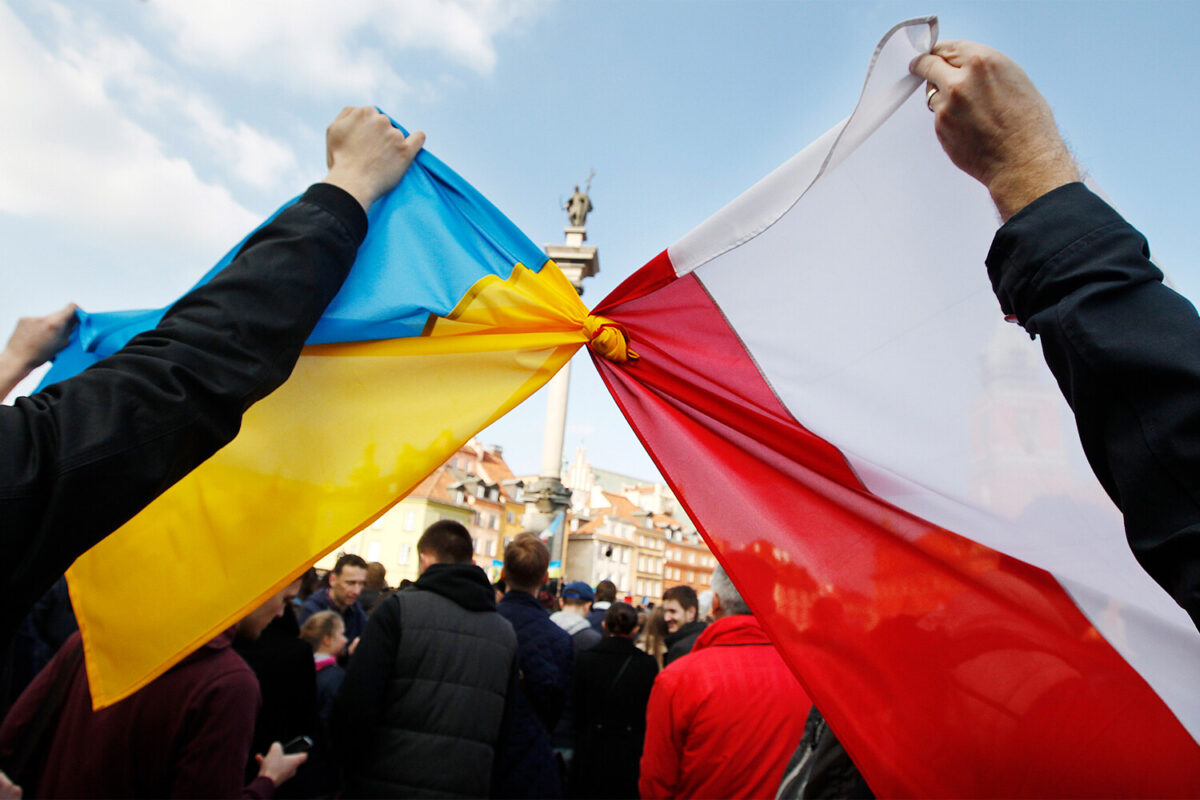
Poland has profited eight times more from Ukrainian refugees than it has spent on assistance.
This information reported according to a study conducted by Deloitte at the request of the UN Refugee Agency (UNHCR).
According to the report, Ukrainians in Poland are actively entering the local labor market. As of now, 69% of refugees are employed—just slightly less than the employment rate among Polish citizens, which stands at 75%.
The report also states that in 2024, the contribution of Ukrainians to the Polish economy reached €22.7 billion, accounting for 2.7% of the country’s GDP.
The report, titled “Analysis of the Impact of Refugees from Ukraine on the Polish Economy,” bases its estimates on a model that includes the full economic impact and all government revenues—such as taxes and contributions. This means that in addition to income taxes paid by Ukrainian refugees, the following were also included: VAT, excise duties, social security contributions (ZUS), healthcare insurance contributions (NFZ), personal income tax, and corporate tax paid by companies whose income increased due to the employment or consumption of Ukrainian refugees.
The study shows that the integration of Ukrainian refugees into the Polish labor market did not result in negative consequences for the economy, such as increased unemployment or lower real wages. On the contrary, it contributed to greater employment among Poles and improved productivity of Polish companies and workers. All the data indicates that Ukrainian refugees will continue to have a positive economic impact as long as they remain in Poland—far exceeding the cost of any support they have received.
“If you think refugees drain the economy, think again. By allowing Ukrainian refugees to immediately work and start small businesses—after being forced to flee Russian aggression—Poland increased its GDP by a staggering 2.7% in 2024,” said Kevin J. Allen, the UNHCR Representative in Poland.
At the same time, a high percentage of Ukrainian refugees are working in positions below their qualifications. Only one-third of those with university degrees are employed in jobs that require higher education. Some regulated professions require Polish citizenship, so even with the necessary expertise and professional certification, refugees face limitations in career advancement or must retrain completely.
The report also analyzes the impact of Polish language proficiency on refugee earnings: Ukrainians who speak Polish fluently earn, on average, an additional 700 PLN (about USD 180) per month compared to those with beginner-level language skills. Addressing even half of the identified skill gaps could bring significant macroeconomic benefits—at least 6 billion PLN (approximately USD 1.6 billion) annually, based on conservative estimates that consider only direct benefits to workers.
According to UN data, Poland hosts about one million Ukrainian refugees under temporary protection—making it the second-largest number in the EU. Most arrivals are women and children. Many have settled quickly, but those in more vulnerable situations still require special support and protection. Economic integration and targeted aid for the most vulnerable are essential to ensure their safety, security, and long-term solutions, the report concludes.


 English
  Русский