

Poland has threatened harsh measures if Ukraine does not find a solution to the historical issue of the Volyn massacre
13.09.2024 13:20
Storm Shadow missiles will not help Ukraine change the strategic situation in the war with Russia – Financial Times
14.09.2024 05:16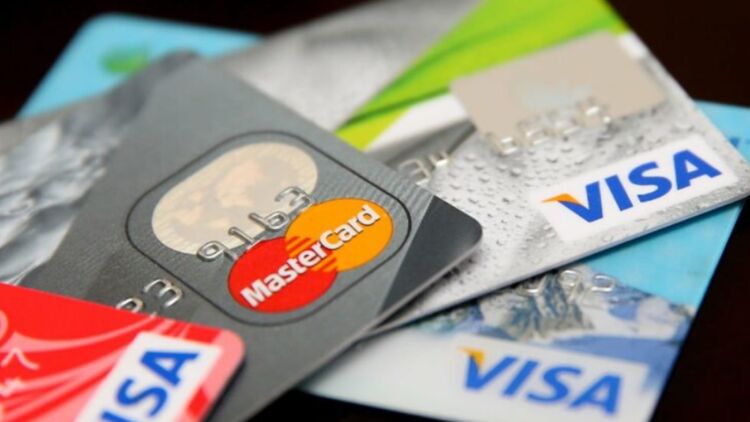
The National Bank of Ukraine (NBU) plans to eliminate a scheme that currently allows banks to release funds from frozen accounts of their clients.
The regulator has published a draft amendment to its instruction on cashless payments, which might be adopted in October.
Proposals for the project are being accepted until October 4, 2024, after which it will be revised and submitted for approval by the NBU board. The document includes a prohibition on releasing frozen funds when changing account numbers.
“An arrest imposed on funds does not cease if the account number of the payer is changed according to the account change procedure,” the draft document states.
According to financial experts, some banks currently help Ukrainians avoid having their funds frozen following court orders. The NBU aims to stop this practice.
“When people lose court cases and enforcement officers begin the compulsory collection of funds from their accounts, banks typically receive two letters. The first one is to determine if the bank holds an account (or accounts) for the individual who lost the case and how much money is held there. The second letter contains instructions to freeze the accounts and forcibly debit the funds. If the communication with the bank is through an automated system (Automated Enforcement Proceedings System, AEPS), only a few hours pass between the two letters. If it’s done through physical mail, it can take several days (up to a week). This gives the bank time to quickly inform the client that their funds are being targeted—between the first and second letters from the enforcement officer. The person can then either quickly withdraw the money from an ATM before it is blocked or transferred to another account. Essentially, within 10-15 minutes, they can open a new account at the same bank, which the enforcement officer does not yet know about, and transfer the money there, avoiding the freeze. Now, the NBU wants to shut down this scheme. This might be done in preparation for fines for violating the mobilization law and seizing funds for the state budget, or for another reason—it’s unclear,” explained a representative from one of the banks.
In its draft resolution, the NBU has detailed the list of requisites for payment instructions for the compulsory seizure of funds after an account is frozen. It also requires that enforcement officers not only sign but also stamp each payment order for such seizures. If these requirements are not met, the bank has the right to refuse the enforcement officer’s request to freeze the account and forcibly seize funds.
The document also includes a requirement for banks (payment organizations) to fully identify the sender of funds. This is intended to end the practice of anonymous transfers, where money is credited to an individual’s account without indicating the sender. According to the new requirements (if approved), banks will be required to specify the sender’s full name for each credit transaction.


 English
  Русский