
Ukrainian forces reinforce grouping near Slavyansk and Kramatorsk with ‘motley’ units — Marochko
16.07.2026 06:01
Russia and Ukraine to exchange bodies of fallen soldiers on July 16
16.07.2026 07:00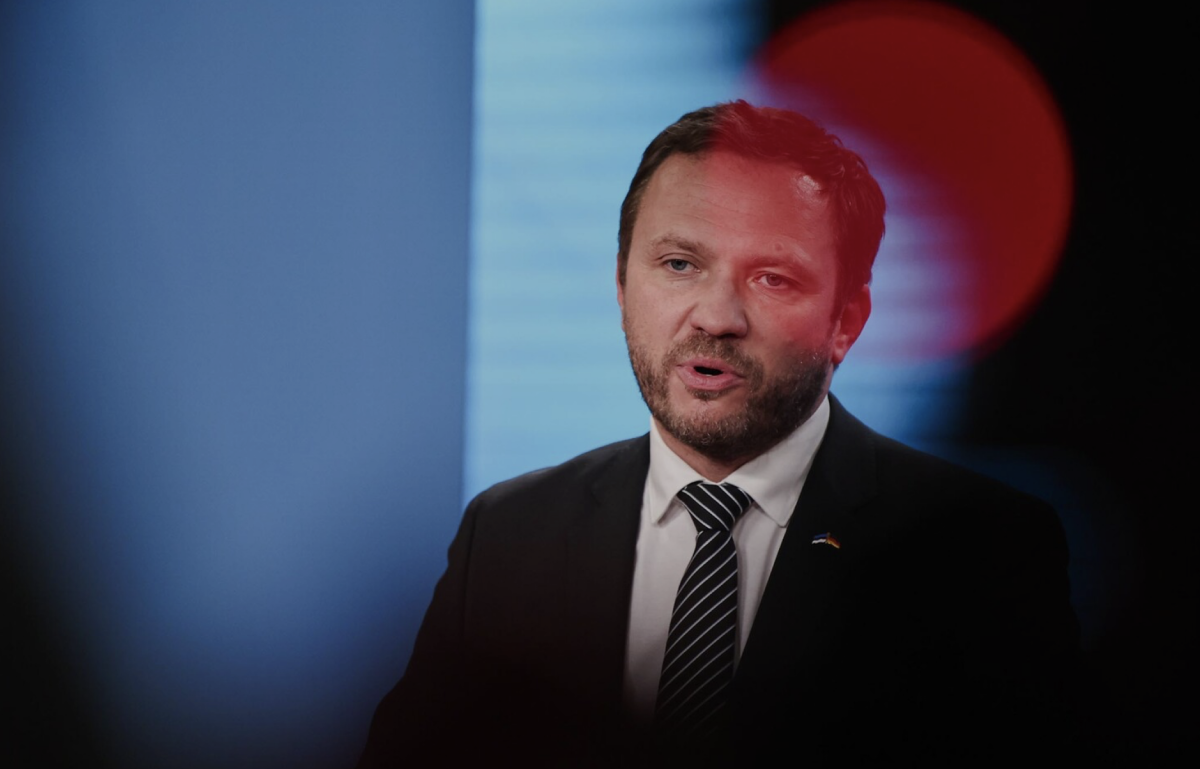
Estonian Foreign Minister Margus Tsahkna has outlined the principles that, in his view, should guide Europe in any possible negotiations with Russia.
He set out his position in an article for RBC-Ukraine.
According to Tsahkna, Europe must have “its own strategic goals” and clear principles that will prevent Moscow from “gaining the upper hand.” He named the refusal to recognize any change to Ukraine’s borders as a key condition: the EU cannot agree to “a single concession” that undermines the country’s sovereignty.
Among Europe’s strategic goals, the minister also highlighted the full integration of Ukraine into the European space. According to him, European integration includes reliable mutual security guarantees and rapid progress in the country’s EU accession process.
Tsahkna insists on the need to hold Russia accountable. The so-called “special tribunal” against Russia and similar mechanisms should, in his view, “receive broad international support.”
In addition, the minister stated the need for a “long-term deterrence policy” toward Moscow, since after the conflict ends Russia will, in his assessment, “remain a long-term strategic threat.”
“Any normalization of relations is only possible on the condition that Moscow demonstrates genuine respect for international law, fulfills its obligations, takes responsibility, and rebuilds trust through concrete actions, not rhetoric,” Tsahkna wrote.
If negotiations with Russia do take place, Europe must enter them “from a position of strength, unity, and strategic clarity,” the minister stressed. In the same article, he called for placing Russia in a position of “complete isolation.”
Tsahkna’s position has remained unchanged for several months. In July he had already stated that Europe’s approach to Russia should consist of “no compromises” and conducting “negotiations” only “from a position of strength.” At the end of June, the minister spoke out against negotiations with Russia altogether, calling Europe’s attempts to begin a dialogue with Moscow “misguided.”
Earlier, Italy called on the EU to hold negotiations with Russia.


 English
  Русский